 العربية
 English
 Español
 Русский
 Français

Categories
- Blogs (3)
- Currency Solutions (2)
A cash center that receives mixed deposits, ATM returns, or exchange currency cannot rely on count totals alone. The condition, denomination, orientation, authenticity, and destination of every note affect the next operational step. A banknote sorter turns that inspection work into a controlled processing flow, helping operators separate usable notes from suspect, damaged, and unfit notes while producing traceable totals.
For banks, currency exchanges, armored cash operations, casinos, and high-cash retail back offices, the right sorter is not simply a faster counter. It is a risk-control and labor-management asset. The machine must be matched to note volume, local currency characteristics, detection requirements, and the way cash moves through the organization.
A conventional currency counter can verify a quantity or calculate a mixed-denomination value. A banknote sorter adds decision-making at the note level. As each bill passes through the transport system, sensors capture physical and image-based information that the machine compares with configured currency data and fitness rules.
Depending on the model and application, a sorter can identify denomination, reject counterfeit or suspicious notes, detect notes of a different currency, and classify notes by quality. It can also face and orient notes, separate denominations into different pockets, and route rejects without stopping the main batch. The result is a more usable output: cash that is ready for ATM replenishment, vault storage, recirculation, exchange, or further investigation.
This distinction matters in operations with a large amount of deposited cash. A total of $50,000 has limited value if the batch contains a mixture of denominations, poor-quality notes, doubles, or counterfeit suspects. Sorting converts an unstructured deposit into defined categories that can be reconciled and routed correctly.
The strongest business case usually comes from reducing repetitive manual handling. Manual inspection requires trained staff to count, identify denominations, turn notes in the same direction, remove damaged bills, and set aside questionable pieces. This creates labor cost, inconsistent judgment, and avoidable reconciliation delays.
A banknote sorter is particularly useful when a business processes ATM cash returns, branch deposits, retail collections, gaming revenue, transit fares, or exchange transactions. In these environments, operators need both throughput and confidence in the classification result.
The value is not identical for every user. A small retail office handling a few cash drawers per day may need a high-quality mixed-value counter with counterfeit detection rather than a multi-pocket sorter. A regional cash center may need several pockets, continuous processing, serial-number capture, and configurable fitness sorting. Equipment selection should follow the cash workflow, not just the highest advertised speed.
Published speed is an easy comparison point, but it should not be the deciding factor. A machine operating at a high nominal speed may process more slowly in real conditions if frequent rejects, poor note condition, or limited pocket capacity interrupt the workflow. Procurement teams should assess performance with the currencies and note quality they actually receive.
The following areas deserve close review:
Counterfeit detection is often described in broad terms, yet the actual question is more specific: can the system reliably examine the security features of the notes circulating in your market? A solution designed around US dollars may not provide the correct detection logic for CFA francs, Argentine pesos, or a local series with newly issued designs.
For international buyers, currency-specific engineering matters. Image scanning and processing technology must recognize genuine-note patterns while accommodating normal wear from circulation. Detection settings that are too strict can create excessive rejects. Settings that are too loose may allow poor-quality or suspicious notes through. The correct balance should be established through sample testing and documented acceptance criteria.
The machine should fit a defined operating sequence. Consider a cash center receiving sealed retail deposits. The first pass may verify total value and identify foreign or suspect notes. A second pass may separate denominations and fitness categories. Fit notes can move to ATM cassettes or recirculation, while unfit notes are prepared for return and suspect notes enter a controlled review process.
In a currency exchange environment, the priority may be rapid mixed-currency recognition, denomination totals, and reliable counterfeit screening at the counter. In a bank branch, the requirement may center on preparing notes for deposit, improving teller productivity, and maintaining an audit trail for exceptions. These are different jobs, even when each uses the term banknote sorter.
Before requesting quotations, document daily and peak volumes, currencies, note condition, required output categories, available workspace, power requirements, operator skill level, and integration needs. If the machine will connect to cash-management software, printers, or a serial-number database, specify those requirements early. This prevents a common procurement mistake: buying adequate hardware without the output data or workflow controls the operation needs.
For overseas procurement, a competitive unit price is only one part of landed value. The supplier should be able to confirm the machine configuration, currency package, firmware version, accessories, packaging method, and inspection records before export. Clear English technical communication is especially valuable when the buyer is coordinating a factory, freight forwarder, service team, and end user across different time zones.
Factory quality control should include functional testing with representative notes, sensor verification, reject-pocket operation, display and keypad checks, noise and transport checks, and packaging inspection. Buyers may also require third-party inspection or compliance-related review, depending on the destination market and product category.
BCASH supports this type of procurement through cash-handling equipment manufacturing, sourcing coordination, quality inspection, and tailored detection configurations. For distributors and institutional buyers, this one-stop approach can reduce the gap between a product specification on paper and equipment that performs correctly in the field.
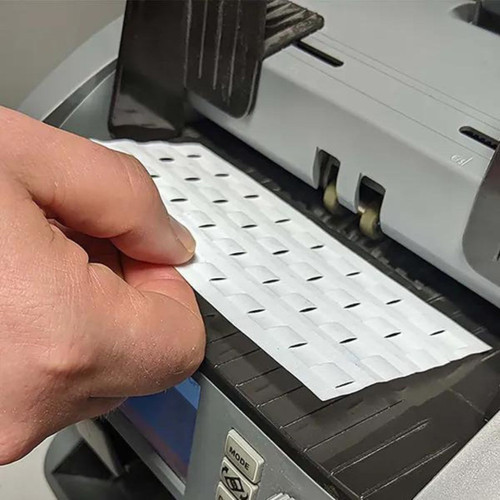
A sorter needs routine attention to preserve performance. Dust, paper fibers, adhesive residue, and worn transport components can reduce sensor clarity and cause false rejects, missed notes, or feed errors. Cleaning frequency should reflect actual note condition and operating volume rather than a fixed calendar rule.
Operators should use approved cleaning materials, follow the manufacturer’s access procedures, and record recurring error patterns. If reject rates rise, the cause may be dirty sensors, worn rollers, poorly adjusted settings, or a change in the note mix. Treating every reject as an operator error can hide a maintenance issue that will become more expensive over time.
Training should also cover exception handling. Staff need to know when to reprocess a reject, when to inspect it manually, when to isolate a suspect note, and how to reconcile machine totals with deposit records. The best equipment still depends on a disciplined process around it.
A well-selected banknote sorter gives cash operations something more valuable than speed: predictable control over every note moving through the business. Start with the actual condition and composition of your cash, then specify the detection, sorting, and service support needed to keep that control dependable shift after shift.
 How to Clean a Money Counter: A Practical Maintenance Guide
