
Categories
- Blogs (26)
- Currency Solutions (2)
Cash-in-transit losses are rarely caused by a seal alone. They occur when a metal security seal is specified without considering the container, handoff process, serial-number control, and inspection practices around it. For banks, armored carriers, cash offices, currency exchanges, and retail treasury operations, the seal is a small but accountable part of a larger chain of custody.
A metal seal should make unauthorized entry evident, give the operation a traceable reference number, and remain practical for teams working under time pressure. The correct model is not always the strongest or most expensive one. It is the one that provides the required level of deterrence and evidence without slowing the cash-processing flow.
Metal security seals are commonly used to secure cash bags, ATM cassette doors, roll cages, deposit containers, transit cases, and other assets moving between branches, retail locations, vaults, and cash-processing centers. Unlike reusable locks, most security seals are single-use devices. Once removed, they cannot be returned to their original locked condition without obvious evidence.
This single-use characteristic supports accountability at each custody transfer. A teller, cash-office supervisor, armored carrier, or vault operator can record the seal number at dispatch and verify it at receipt. If the seal number does not match, if the seal shows damage, or if the locking area has been disturbed, the recipient has a clear exception to investigate before accepting the contents.
This is particularly relevant where cash is first counted, sorted, and strapped by automated equipment, then staged for transport. The accuracy of a banknote sorter or value counter establishes what was processed. A properly controlled seal helps preserve the integrity of that prepared cash package until the next accountable party receives it.
The body and locking design determine how a seal resists tampering and where it can be used. Procurement teams should specify the security level needed for each application instead of applying one seal across every process.
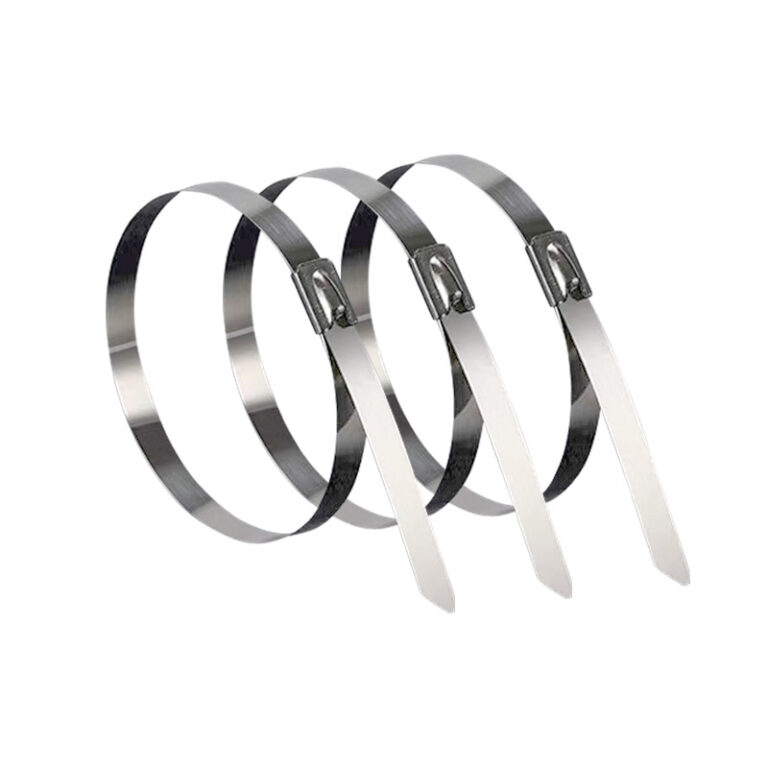
A metal strip seal, sometimes called a pull-tight or fixed-length metal seal, uses a thin metal strap and locking head. It is commonly used for cash bags, containers, cabinet doors, and applications with a consistent locking distance. The seal is lightweight, economical, and often easy to inspect visually.
Its limitation is fit. A fixed-length strip can be unsuitable when locking points vary significantly in size or position. If staff must force the strap through an awkward path, they may bend or damage it during normal use, creating avoidable exception reports.
Cable seals use a steel cable inserted through a locking body. They suit applications with larger or irregular locking apertures, including roll cages, transport cases, and certain cash containers. The cable can pass through multiple latch points, which makes it useful where a short strip seal cannot reach.
Cable diameter matters. A thin cable may be appropriate as an indicative seal for routine control, while a thicker cable provides greater resistance to cutting and pulling. Greater resistance usually comes with higher unit cost and may require cutters at the receiving point. That trade-off should be considered before standardizing a high-security cable seal for fast-moving branch deposits.
Bolt seals have a steel pin and locking barrel, creating a high-strength barrier for container doors, truck hardware, and larger logistics assets. They are usually not the first choice for a small cash bag, but they can be appropriate where cash is transported inside a larger secured unit and the operational risk justifies a more substantial device.
A bolt seal should be selected only when the receiving location has a safe and defined removal method. Cutting tools, debris control, and staff training are part of the specification. A high-strength seal is not operationally effective if personnel cannot remove it safely during a busy receiving cycle.
The physical seal is only one line item in a usable procurement specification. For cash operations, identification and inspection features are often just as valuable as tensile or cutting resistance.
Start with unique identification. Consecutive serial numbering is standard, but the number format should match how the operation records custody transfers. Large, high-contrast characters reduce reading errors in low-light loading areas. Barcodes, QR codes, or other machine-readable marking can support scanning into a cash-logistics system, especially where operators handle thousands of sealed units per day.
Color is also functional. A color-coded program can distinguish routes, shifts, branches, container classes, or service providers at a glance. However, color should never replace serial-number verification. Two seals may look identical while carrying entirely different numbers, and a visual-only check creates a predictable control weakness.
Tamper-evident features should be easy to understand. The locking head, cable, strip, and break point should show visible deformation when attacked or removed. Avoid designs that require an expert examination to identify a problem. Receiving teams need to make a fast, confident decision at the dock, in a vault, or at a retail back office.
Material finish should fit the operating environment. Galvanized or coated steel can be appropriate for general indoor logistics. Where seals may encounter moisture, salt air, or outdoor loading conditions, corrosion resistance becomes more significant. Surface corrosion may not immediately compromise the lock, but it can make serial numbers difficult to read and create disputes during inspection.
A common purchasing error is treating every cash movement as if it requires the same level of seal security. This increases cost and can complicate handling without improving the actual control environment.
For internal transfers inside a controlled cash center, an indicative metal strip seal with clear numbering may be sufficient. The goal is to show whether a prepared bag or container was opened between defined workstations. For a branch-to-vault route involving third-party transport, a cable seal with a stronger body and traceable numbering may be more appropriate. For larger transport assets or external logistics containers, a bolt seal may be justified.
The right decision depends on the value of the contents, the number of custody changes, travel distance, exposure to public areas, available surveillance, and how quickly discrepancies can be investigated. A seal is evidence, not a substitute for procedural controls, cameras, access restrictions, reconciliations, or dual custody.
Even a well-made seal delivers little value if employees record its number inconsistently. The procedure should identify who applies the seal, when the serial number is captured, who verifies it, and what happens when the number is missing or the seal appears compromised.
At minimum, the dispatch record should associate the seal ID with the container ID, route or destination, date and time, operator, and declared contents or transaction reference. At receipt, the employee should inspect the seal before opening the container, compare its ID against the record, and document any mismatch before the contents are handled.
Exception handling needs to be specific. If a seal is damaged, do not simply replace it and continue. Isolate the container, notify the accountable supervisor, preserve the original seal where required, review custody records, and reconcile the contents under the organization’s established investigation procedure. The best seal program is one that makes exceptions visible and manageable rather than one that assumes exceptions will never occur.
For importers and distributors, sample evaluation should reflect real operating conditions. Test the seal on the actual cash bag eyelet, cassette latch, cage hasp, or container door it will secure. Check how easily staff can read the marking, scan the code, apply the seal with gloves, and remove it using approved tools.
Request clear confirmation of material, cable diameter or strip thickness, locking mechanism, serialization method, color options, packing configuration, and any customization requirements. If a buyer requires branded markings or a defined serial sequence, those details should be agreed before production, not after the shipment is packed.
BCASH supports cash-handling procurement with an engineering-led view of the full processing workflow, from currency counting and detection through packaging and controlled transfer. For buyers sourcing multiple equipment categories, aligning seal specifications with bags, containers, packing procedures, and receiving practices can reduce avoidable operational gaps.
A metal security seal is most effective when it is easy to apply correctly, difficult to defeat without evidence, and simple for the next accountable person to verify. Specify it as part of the process, not as an isolated commodity.
 How to Specify a Metal Security Seal for Cash
 Choosing a China Check Reader Manufacturer
 Portable Card Counter for High-Volume Operations
 China Thermal Shrink Packing Machine Buying Guide
 Choose a Temper Proof Security Bag Supplier
