
Cash Handling Equipment Selection: Match Machines to Your Cash Flow, Not Just Spec Sheets
A cash office that closes 45 minutes late each day does not usually have a staffing problem. It has a processing bottleneck: notes are counted twice, suspect bills are reviewed manually, denominations are separated by hand, and end-of-shift reconciliation waits on one overloaded workstation. The right cash handling equipment turns those repeated tasks into a controlled workflow with measurable output, traceable exceptions, and fewer reconciliation errors.
For banks, retail groups, currency exchanges, armored cash operations, casinos, and transit operators, the decision is not simply whether to automate. The practical question is which machines should be placed at each point where cash changes hands, and whether their capacities, detection settings, and service requirements match local operating conditions.
What Cash Handling Equipment Should Do
Cash handling equipment covers the machines used to receive, authenticate, count, sort, prepare, store, and reconcile banknotes and coins. A complete system can include note counters, mixed-denomination value counters, fitness sorters, counterfeit detectors, coin counters and sorters, strapping machines, vacuum packers, packet counters, coin wrappers, POS safes, and check-processing equipment.
Each category addresses a different operational risk. A basic note counter confirms quantity but does not necessarily identify denomination or verify every note to the same standard as a dedicated sorter. A value counter can calculate a mixed stack total, reducing manual denomination separation. A banknote sorter goes further by separating notes according to denomination, orientation, fitness, authenticity result, or configured reject criteria.
This distinction matters during procurement. A low-cost counter may be suitable for a small back office handling clean, single-denomination deposits. It is not a substitute for a multi-pocket sorter in a central cash room that must process mixed deposits, remove unfit notes, and document suspect-note exceptions. Buying more machine than the workflow requires raises capital cost. Buying too little shifts the labor and risk back to the operator.
Start With the Cash Flow, Not the Machine Catalog
Equipment selection should begin with how cash moves through the operation. Map the path from receipt to final deposit, vault storage, shipment, or redistribution. Identify where staff currently recount, wait, separate denominations, investigate discrepancies, or prepare bundles manually.
Throughput should be measured using actual peak volumes, not average daily cash. A retailer may receive most deposits in a narrow closing window. A currency exchange may experience sharp peaks tied to flight schedules or local events. A cash-in-transit operation may need sustained processing across several shifts. The machine must maintain accuracy at the expected workload, including mixed and worn notes, not only under ideal test conditions.
Also consider the condition of the currency. Folded, soiled, taped, damp, or heavily circulated notes place different demands on feed systems, sensors, and reject handling. In markets where notes are frequently worn or have multiple series in circulation, configurable image-based detection and reliable fitness sorting have greater value than a headline counting speed alone.
Define the decision criteria before requesting quotations
Procurement teams should document the required criteria in operational terms:
- Daily and peak hourly note and coin volumes
- Currency denominations, note series, and expected condition
- Required counterfeit detection methods and reject categories
- Number of operators, shifts, and processing locations
- Reporting, connectivity, OEM configuration, and maintenance expectations
This specification gives suppliers a usable basis for recommending equipment. It also makes comparison more meaningful. Two machines may both claim a similar notes-per-minute rating while offering very different hopper capacities, pocket configurations, sensor coverage, reject handling, or software support.
Detection Is a System, Not a Checkbox
Counterfeit detection is one of the most scrutinized functions in cash processing, but broad claims such as “fake detection” do not tell a procurement team enough. Detection performance depends on the sensor package, image-processing logic, local currency configuration, software updates, and the ability to handle genuine notes with normal wear without generating excessive rejects.
Common detection technologies include ultraviolet, magnetic, infrared, visible image, thickness, size, and dual-image scanning. Their value lies in how they work together. A machine should evaluate multiple characteristics of a note and compare them against the configured currency profile. For operations handling regional currencies, the supplier must understand the security features, denominations, and note series actually in circulation.
For example, a solution configured for West African CFA francs or Argentine pesos needs more than a generic multi-currency label. It should be tested against the relevant notes, including worn genuine notes and known counterfeit patterns where available. This is where engineering capability, proprietary image-processing development, and disciplined test procedures directly affect operating results.
Detection settings also involve a trade-off. Very strict thresholds may increase suspect-note rejects and slow the operator. Loose settings may reduce interruptions but create unnecessary exposure. The appropriate configuration depends on the institution’s risk policy, the cash source, and the escalation process for rejected notes.
Build a Practical Equipment Stack
Most high-volume operations benefit from using specialized equipment rather than forcing a single machine to perform every task. The right stack depends on the cash flow design.
At the receiving point, mixed-denomination value counters quickly establish deposit totals and flag suspect notes. In a central cash office, multi-pocket banknote sorters can separate denominations, orient notes, remove rejects, and create consistent output for redistribution or deposit preparation. Where large quantities of prepared bundles must be verified, packet-note counters and vacuum packing equipment support faster checking and secure packaging.
Note strapping machines standardize bundle preparation, helping reduce variation between operators. Coin counters, sorters, and wrapping machines are valuable where coin remains material to daily takings, such as supermarkets, transit systems, gaming facilities, and cash-intensive retail. POS safes can reduce the amount of exposed cash at the store level while improving deposit accountability.
The key is to avoid treating automation as isolated hardware. A counter at the front end, a sorter at the back office, and a packaging station at dispatch should use compatible procedures. Operators need clear rules for rejects, recounts, denomination changes, and handoff records. Otherwise, a fast machine can simply move the bottleneck to the next desk.
Evaluate Reliability Beyond Published Specifications
Speed and feature lists are useful, but they should not be the sole basis for selecting cash handling equipment. Ask how the machine performs after extended use, how easily operators can clear jams, how accessible wear parts are, and how cleaning affects sensor stability. Small maintenance issues can become expensive when several branches or processing centers depend on the same model.
A credible supplier should be able to explain quality-control procedures, inspection experience, production consistency, and the process for confirming performance before shipment. For international buyers, this should include clear English technical communication, export documentation support, packaging standards, and a defined approach to spare parts and remote troubleshooting.
BCASH supports this type of one-stop procurement model by combining cash-handling product supply with technical communication, quality inspection coordination, customized detection configurations, and export-service support. For distributors and project buyers, this reduces the risk of managing separate factories for counters, sorters, packaging machines, coin equipment, and related cash-office hardware.
OEM requirements should be addressed early. A distributor may need private labeling, localized interface language, specific power plugs, customized detection profiles, or packaging suited to its channel. These details are easier and less costly to control before production than after equipment reaches the destination market.
Plan for Maintenance, Training, and Exceptions
Cash machines are precision devices operating in dusty, high-contact environments. Preventive cleaning is not optional. Dust, paper fibers, adhesive residue, and worn notes can interfere with sensors and feeding mechanisms, causing false rejects, counting errors, or recurring jams.
Create a maintenance routine based on operating volume. Daily operators should remove visible debris and follow approved cleaning procedures. Supervisors should track recurring reject codes, feed issues, and error patterns. Service teams should inspect rollers, belts, sensors, and moving components at planned intervals. The objective is not merely to keep machines running, but to preserve detection accuracy and predictable throughput.
Training should focus on exception management as much as normal operation. Staff need to know how to load notes correctly, respond to a reject, separate a suspected counterfeit, perform a recount, and document discrepancies. A well-designed process prevents operators from bypassing alerts simply to keep the line moving.
The most productive cash room is not the one with the highest advertised machine speed. It is the one where every note and coin moves through a defined, auditable path with the right balance of automation, detection, operator control, and service support.
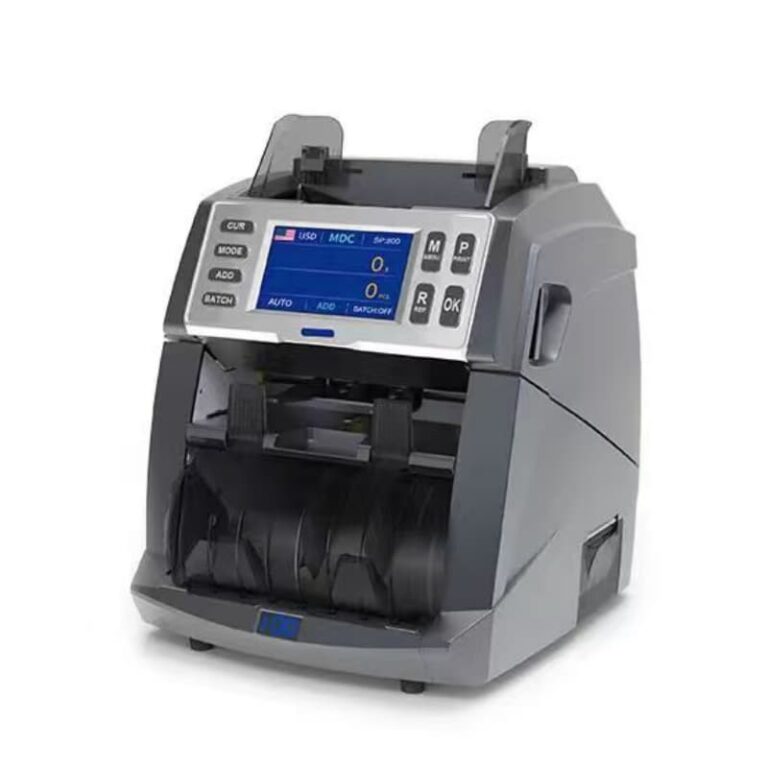 Cash Handling Equipment for High-Volume Operations
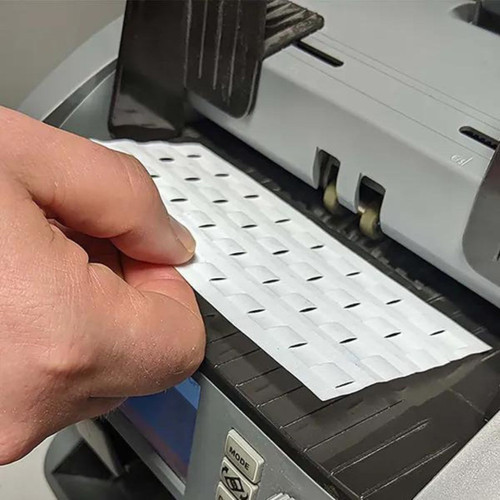 How to Clean a Money Counter: A Practical Maintenance Guide
