
Categories
- Blogs (12)
- Currency Solutions (2)
A coin that passes through a basic counter but fails at the bank can create more than a small reconciliation difference. For transit operators, retailers, casinos, currency exchanges, and cash centers, repeated acceptance of suspect coins can produce direct losses, dispute costs, and avoidable manual handling. Fake coin detection equipment is designed to identify coins that do not match the expected physical and electromagnetic profile before they enter storage, wrapping, sorting, or settlement.
The right solution is not simply the machine with the longest feature list. Procurement teams need to match detection capability to the denominations processed, local circulation risks, daily coin volume, and the point in the workflow where a rejected coin can be handled efficiently.
Modern coin authentication is based on measurable characteristics, not visual judgment alone. Genuine coins are manufactured to defined specifications, including diameter, thickness, weight, material composition, edge construction, and electromagnetic response. Detection equipment compares each coin against stored parameters and directs acceptable coins to the correct output path while rejecting pieces outside the permitted range.
Diameter and thickness checks help identify undersized, oversized, clipped, or improperly formed pieces. Weight measurement can expose coins made from lower-cost metals, altered coins, or items with incorrect internal construction. These checks are useful, but they are rarely sufficient on their own. A counterfeit can be manufactured to closely match the dimensions of a genuine coin.
That is why higher-value coin sorters and validators use inductive or electromagnetic sensors. Different alloys produce distinct electrical signatures when they pass through the sensor field. A properly configured machine can distinguish genuine bi-metallic, plated, nickel, brass, copper, and steel-based coins from common substitutes, foreign coins, washers, tokens, and slugs.
For some operations, optical sensing adds another layer of control. It can support identification of surface features, color differences, holes, edge patterns, or denomination-specific design elements. Optical inspection is particularly relevant where similar-sized tokens circulate alongside legal tender. However, sensor combinations must be selected according to the actual threat profile. More sensors do not automatically mean better results if the machine is not calibrated for the coins being processed.
Fake coin detection equipment can be installed at several points, and each placement serves a different purpose. At the front end, a self-service kiosk, vending system, gaming machine, or fare collection device uses a coin validator to reject unacceptable pieces before credit is issued. The priority is fast, reliable acceptance without frustrating legitimate users.
In a retail back office or cash office, coin counters and sorters may detect and reject suspect coins during daily reconciliation. Here, the objective is to reduce manual verification while providing a clear rejected-coin output for supervisor review. In high-volume central processing environments, detection is often integrated into coin sorting, bagging, wrapping, or packaging workflows. The equipment must maintain accuracy across large batches, mixed denominations, and extended duty cycles.
These requirements are different. A compact front-end validator is optimized for rapid single-coin decisions. A cash-center sorter needs sustained throughput, multiple denomination outputs, reject handling, count reporting, and service access. Buyers should avoid using a low-duty validator as a substitute for a commercial sorting system simply because both have counterfeit-rejection functions.
Detection performance should be evaluated with the target currency, not with a generic demonstration sample. A machine that performs well on one currency may require different sensors, software parameters, or mechanical adjustments for another. This is especially true for regional coin sets with similar diameters, changing alloys, commemorative issues, or bi-metallic denominations.
When comparing suppliers, procurement teams should review the supported denominations, coin-size range, material recognition method, reject-bin design, and available parameter settings. Ask whether detection parameters can be customized for local circulation coins and whether firmware can be updated if a mint changes an alloy or introduces a new series.
Throughput matters, but it should be measured in operating conditions. A published maximum speed may be achieved with clean, uniform coins. Mixed coins from public collection points may contain dust, bent pieces, damp coins, paper fragments, foreign objects, and heavily worn currency. The more relevant question is whether the machine can maintain stable sorting and rejection accuracy during real intake conditions.
Also consider the practical details that affect labor. Separate reject collection prevents suspect items from mixing back into accepted coin. Clear batch totals make reconciliation faster. Storage hoppers, bag stops, tube filling options, printer connections, and reporting interfaces may be necessary depending on the site. For multi-location operators, standardized settings and consistent reporting formats can simplify audits and service procedures.
No coin detection system should be treated as a permanent set-and-forget control. Mechanical pathways collect dust and residue. Sensor surfaces can become contaminated. Worn belts, rollers, guides, and sorting discs can change how coins travel through the machine. If coins do not pass sensors consistently, rejection rates can increase or unacceptable items may not be identified as expected.
A practical maintenance program includes routine cleaning, inspection of transport components, removal of lodged debris, and functional testing with known genuine and reject samples. The maintenance interval depends on volume and coin condition. A high-traffic transit collection operation may require frequent cleaning, while a small financial office may follow a less intensive schedule.
Calibration should be controlled rather than improvised. If an operator broadens acceptance parameters to reduce false rejects, the machine may also become more likely to accept non-genuine coins. If settings are too narrow, valid worn coins may be rejected at an unacceptable rate. The correct balance depends on the organization’s loss tolerance, local coin quality, and the downstream process for inspecting rejected items.
Rejected coins should not be automatically classified as counterfeit. They may be damaged, heavily worn, foreign, out of series, or simply outside a configured acceptance range. A documented review process protects staff from making unsupported determinations and helps identify whether recurring rejects point to a machine setting, a local circulation issue, or a deliberate fraud pattern.
For international buyers, the equipment purchase is only one part of the project. Coin sets vary by market, and a supplier must understand how to configure the machine for the intended currency before shipment. This includes confirming denomination samples, acceptance parameters, output sorting requirements, electrical standards, language needs, and expected operating volume.
Factory testing should reflect the buyer’s real use case whenever possible. A useful pre-shipment test includes genuine circulated coins, representative worn coins, known foreign coins, and agreed reject samples. Buyers should request clarity on what the machine will identify, what it will reject, and what conditions may affect results. Claims such as “100% counterfeit detection” are not a serious substitute for a defined test method.
Technical documentation, spare-parts availability, remote communication in English, and quality inspection procedures also affect total operating value. For distributors, OEM labeling, customized coin programs, and model differentiation may be equally important. BCASH supports this type of procurement through cash-handling equipment manufacturing, tailored currency-detection configurations, quality control, and export coordination.
The strongest protection does not rely on a single sensor or a single employee. Fake coin detection equipment works best when it is part of a controlled process: intake procedures, machine configuration, reject segregation, supervisor review, maintenance records, and periodic test samples. This approach gives operations leaders evidence for investigating losses instead of relying on assumptions.
Before placing an order, define the coins to be processed, the likely non-genuine or unwanted items, the required daily volume, and the desired destination for rejects. A correctly specified machine can reduce manual sorting and loss exposure while keeping legitimate coin moving through the operation at the speed the business requires.
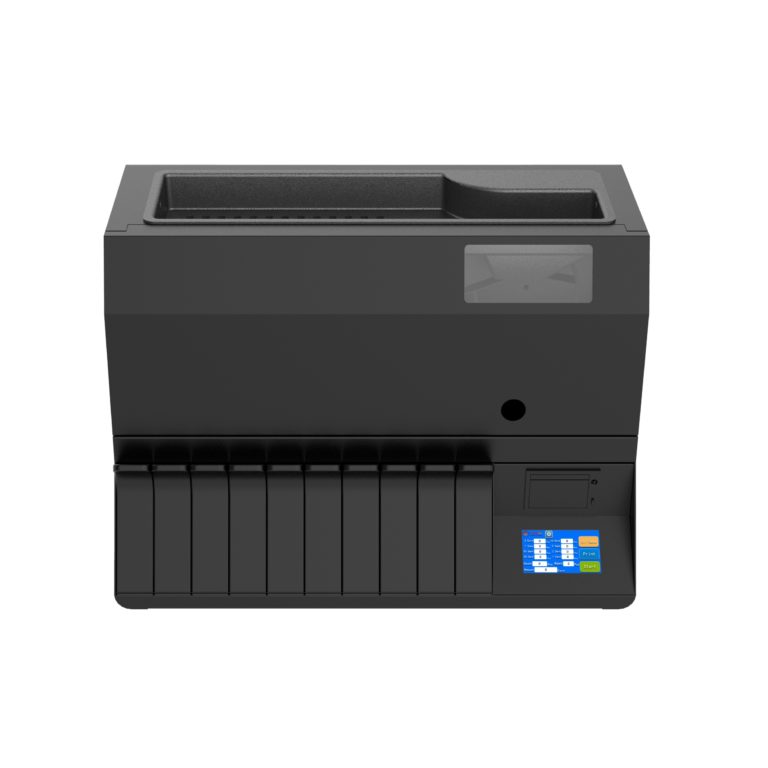 Commercial Coin Sorting Machine Buying Guide
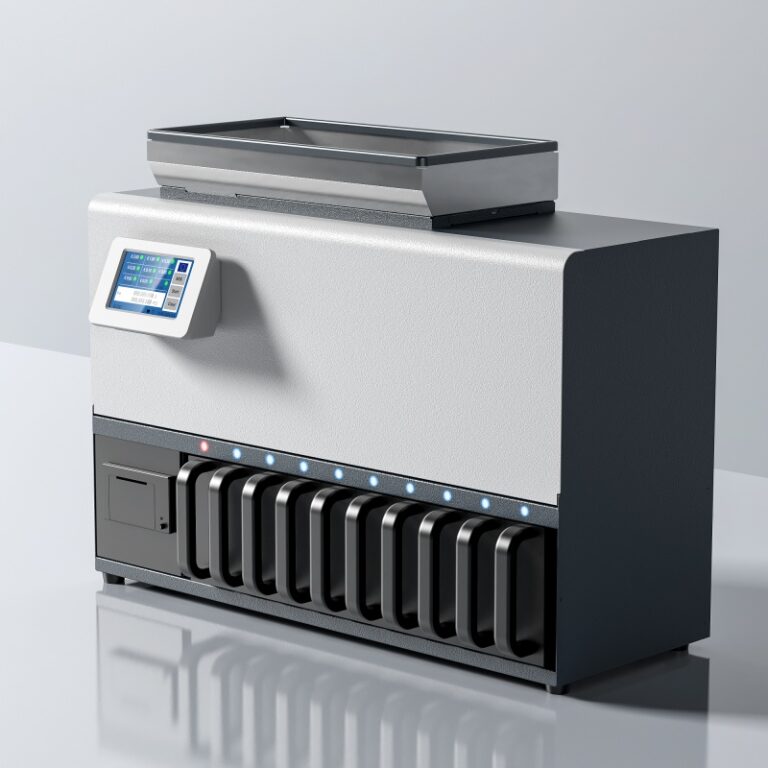 Fake Coin Detection Equipment for Cash Operations
 How a Mixed Denomination Currency Counter Pays Off
 How Banknote Glue Tape Detection Protects Cash Flow
