
Categories
- Blogs (7)
- Currency Solutions (2)
A currency value counter is not simply a faster way to count banknotes. For a cash office receiving mixed denominations, it is a reconciliation tool: the machine identifies each note, calculates the total monetary value, detects suspect notes, and creates a usable count record without requiring an operator to separate every denomination first.
That distinction matters when procurement teams compare equipment. A basic piece counter may process a large number of notes per minute, but it cannot tell an operator whether a stack contains $1, $5, $20, and $100 notes or whether the expected deposit value is correct. A mixed-denomination value counter can. The right model reduces manual sorting, shortens end-of-shift balancing, and gives supervisors more control over exceptions.
The central function is mixed-denomination value counting. Notes are loaded in random order, and the machine uses image scanning and denomination-recognition algorithms to identify the value of each banknote. It reports the total note quantity and the total cash value, usually with a denomination breakdown.
For banks, currency exchanges, casino cages, retail back offices, armored cash operations, and transit revenue centers, this information is operationally more useful than a simple piece count. An operator can compare the machine total with a deposit slip, drawer declaration, or cash-transfer record immediately. If there is a difference, the denomination report narrows the investigation.
A suitable machine should also support the working modes needed by the site. Common requirements include mixed counting, single-denomination counting, face and orientation sorting, batch counting, add mode, and fitness sorting where applicable. The required combination depends on the process. A supermarket back office may prioritize rapid mixed-value reconciliation, while a bank branch may need consistent orientation and suspect-note separation before cash is prepared for redeposit.
A currency value counter must reliably distinguish denominations even when notes are worn, folded, stained, or inserted in mixed orientations. This is where sensor design, image-processing capability, software tuning, and mechanical transport all affect the result.
Recognition performance should be evaluated on the actual currency series used at the destination. Banknote designs change. A machine configured for an older series may require an update when a central bank introduces new notes, revised security features, or changed dimensions. Buyers handling several currencies should confirm exactly which currencies, note series, and denominations are included in the machine configuration.
Do not accept a broad claim of “multi-currency” without clarification. One supplier may mean that the platform can be programmed for multiple currencies; another may mean that all required currencies are already installed and tested. Those are different commercial and technical positions.
Counting speed has limited value if suspect notes pass through unnoticed. A professional currency value counter normally combines several detection methods, which may include ultraviolet, infrared, magnetic ink, metal-thread, color-spectrum, image, and dimensional checks. The sensor package should be considered alongside the denomination-recognition system rather than as a separate feature.
The right detection specification depends on the currency and the exposure level. High-volume exchange operations, for example, may need more detailed authentication of multiple foreign currencies than a local retail operation processing mainly one domestic note type. Regional note characteristics also matter. Detection for West African CFA banknotes or Argentine pesos should be developed and tested specifically for those notes, not treated as an afterthought under a generic multi-currency claim.
False rejects require equal attention. If a machine stops repeatedly on legitimate but worn notes, throughput falls and operators may lose confidence in the equipment. If it accepts notes that should be rejected, the financial risk is more serious. Procurement testing should therefore use representative samples: new notes, circulated notes, folded notes, soiled notes, and known suspect examples where permitted by internal policy.
A one-pocket currency value counter stops when it encounters a suspicious, unreadable, damaged, or wrong-orientation note, depending on its settings. This design can be appropriate for lower-volume environments and is often more economical.
A two-pocket model routes exception notes to a separate reject pocket while acceptable notes continue through the main stacker. That improves continuity during long runs and is especially valuable in centralized cash rooms, financial institutions, and commercial cash-processing operations. The trade-off is a higher equipment cost and a need for clear operator procedures for reviewing rejects.
The buyer should define what qualifies for rejection. Possible categories include counterfeit suspicion, unreadable denomination, chained notes, double notes, half notes, excessive dimension variation, and foreign or unrecognized currency. Clear reject codes on the display and in the count report make exception handling much faster.
Speed is usually the first specification quoted, but it is not the whole productivity measure. A counter rated at a high speed in simple count mode may run more slowly in mixed-denomination value mode with full authentication enabled. Ask for the speed under the operating mode your team will actually use.
Hopper capacity and stacker capacity influence real output as well. Large deposits require fewer reloads, but oversized hoppers are not automatically better if the machine is intended for intermittent teller use. Consider the average bundle size, peak-hour volume, operator count, and available counter space.
Other practical specifications should include display readability, control-panel language, report detail, printer or external display options, connectivity, software-update method, and power configuration. If the unit will connect to a cash-management process, determine whether the exported data is sufficient for reconciliation. A total value alone may not be enough. Many operations need denomination totals, suspect-note counts, batch results, machine serial number, time stamp, and operator identification.
Noise, dust tolerance, service access, and daily cleaning requirements also affect ownership cost. Cash is a contaminated working medium. Paper dust and residue accumulate on sensors and transport parts, particularly in high-circulation note environments. A machine with accessible sensors, clear cleaning instructions, and readily available consumable parts is easier to keep within specification.
The most reliable purchasing process starts with the cash flow, not a catalog page. Define which currencies enter the operation, whether notes arrive mixed, what volume is processed per shift, and what happens after counting. Then match the machine to that sequence.
For example, a currency-exchange operation may require a compact multi-currency value counter with strong foreign-note recognition, detailed denomination reports, and rapid handling of small customer transactions. An armored cash center may need heavy-duty construction, large hopper capacity, a reject pocket, network-ready reporting, and service support for sustained high-volume use. A retail chain may value straightforward mixed-note totals, counterfeit alerts, and consistent deployment across many stores more than advanced sorting functions.
The specification should also state acceptance criteria. Rather than requesting “high accuracy,” identify the test currencies, note conditions, required counting modes, expected reject behavior, and reporting output. Include software language, branding requirements, voltage and plug configuration, packaging expectations, spare-part requirements, and documentation. These details reduce ambiguity before production and inspection.
Cash-handling equipment is a combination of mechanics, electronics, sensors, firmware, and currency-specific data. A supplier that can communicate clearly about all five areas is more likely to support a successful deployment.
For overseas sourcing, ask how currency recognition is developed, how new-note updates are handled, what inspection process is used before shipment, and whether the supplier can support OEM labeling or customized configurations. Confirm the warranty scope, technical-response process, spare-parts availability, and export packing method. A low unit price can lose its advantage quickly if the delivered machine does not recognize local notes correctly or cannot be maintained efficiently.
BCASH approaches this requirement as a one-stop cash-handling equipment partner, combining value-counting equipment with technical communication, quality control, and customized currency detection support for international buyers.
Even a well-specified machine can underperform if it is introduced without proper setup. Before full deployment, verify the installed currency files, test each operating mode, and compare machine reports with manual audit counts. Train operators to prepare notes properly by removing clips, rubber bands, and heavily damaged items that can cause feeding errors.
Supervisors should establish a routine for cleaning sensors and checking transport paths. They should also define how operators handle rejects: whether to recount them, inspect them manually, place them in a suspect-note envelope, or escalate them to a supervisor. Consistent exception handling protects both accuracy and auditability.
A currency value counter earns its place on the counter when it makes cash totals more trustworthy, not merely faster. Select the machine around real note conditions, local currency requirements, exception workflow, and support expectations, and it becomes a practical control point in every cash-processing shift.
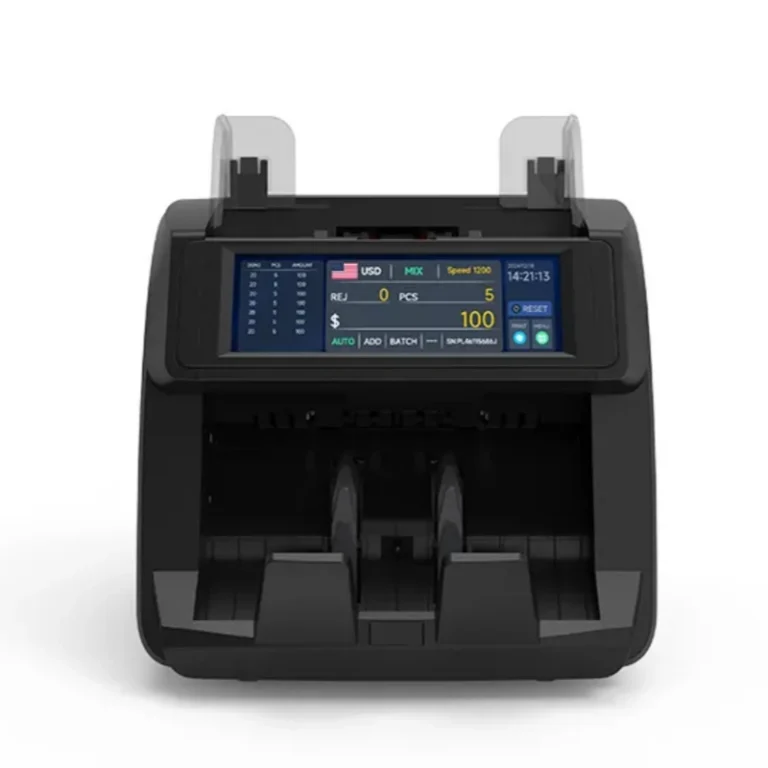 Currency Value Counter: What Buyers Must Specify
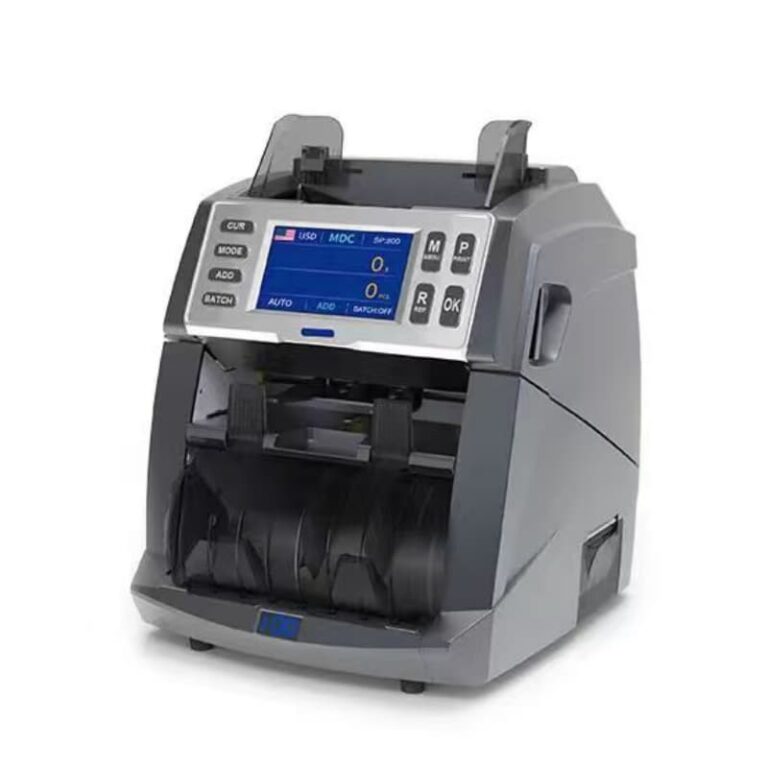 Cash Handling Equipment for High-Volume Operations
