
Categories
- Blogs (9)
- Currency Solutions (2)
A cash office can count 1,000 notes quickly and still lose time if every stack must be pre-sorted by denomination. A mixed denomination currency counter changes that workflow by identifying note values within an unsorted batch, calculating the total value, and separating notes according to the selected sorting rule. For banks, exchange operations, retail back offices, casinos, and armored cash centers, the gain is not merely faster counting. It is a more controlled reconciliation process with fewer manual touchpoints.
A conventional note counter typically reports the number of notes passing through the machine. The operator must organize each denomination first, then multiply note quantity by face value. That approach may be acceptable for low-volume, single-denomination deposits, but it creates a bottleneck when deposits contain a mix of $1, $5, $10, $20, $50, and $100 notes.
A mixed denomination currency counter uses image scanning, denomination recognition, and note authentication technologies to read each banknote as it passes through the transport path. The machine records note count and value, then displays the batch total. Depending on the configuration, it can also provide a denomination breakdown, note serial-number records, fitness classification, and reject information.
The operational difference is substantial. Instead of assigning staff to sort notes before counting, an operator can load a mixed stack and receive a verified value total. The machine may stop when it identifies a suspect, damaged, unreadable, or nonconforming note, allowing the operator to investigate the exception without contaminating the final count.
For procurement teams, the distinction to confirm is whether a machine is a basic value counter or a full banknote sorter. A value counter identifies and totals mixed denominations. A sorter generally adds more advanced functions, such as separating denominations, orienting notes, detecting unfit currency, and diverting rejected notes into dedicated pockets. The right selection depends on throughput, required audit detail, and the cost of manual handling at each location.
The strongest business case appears where cash arrives in unsorted deposits. A supermarket cash office may receive bags from multiple lanes. A currency exchange may handle deposits containing different values and note conditions throughout the day. A casino cage may need to reconcile large and varied note volumes under strict internal controls. In each case, manual sorting delays the point at which cash can be verified and prepared for deposit or redeployment.
Banks and credit unions also benefit when teller deposits, ATM collections, or branch cash transfers require fast confirmation. A counter that reports denomination detail reduces the need to rely on handwritten count sheets. When paired with batch, add, and report functions, the equipment supports a clearer cash trail from receipt through balancing.
The benefits are not limited to speed. Mixed-value processing can reduce exposure to counting errors caused by fatigue, rushed end-of-day procedures, or inconsistent sorting practices. It also helps managers compare declared totals with actual machine totals before a discrepancy becomes a larger reconciliation issue.
That said, no machine eliminates the need for sound cash-office procedures. Operators still need defined handoff rules, controlled access, daily cleaning, and exception review. The counter provides reliable processing data, but management controls determine how that data is recorded, approved, and acted upon.
A high stated throughput figure can attract attention, but note recognition and counterfeit detection are often more meaningful purchasing criteria. A mixed-denomination counter must recognize genuine notes accurately across denominations, series, print variations, and circulation conditions. It must also reject suspect notes without creating excessive false rejects that slow daily operation.
Detection systems may combine contact image sensors, ultraviolet detection, infrared detection, magnetic analysis, thickness measurement, and other verification methods. Image-based processing is particularly relevant because it helps the machine examine note patterns, dimensions, and visible or infrared features while recognizing denominations.
The correct detection package depends on the currencies being processed. US dollar applications require dependable recognition across commonly circulated note series. International exchange businesses may need multi-currency capability, while regional cash operations may require specialized software and sensor settings for local banknotes. A supplier should confirm the exact currencies, note versions, and detection requirements before shipment rather than offering a generic multi-currency claim.
Software upgrade support also deserves attention. Banknote designs change, counterfeit methods evolve, and central banks issue new series. Equipment that can receive practical firmware or currency updates has a longer useful service life than a machine locked to an outdated recognition library.
A procurement specification should begin with the cash process, not the catalog page. Ask how many notes are processed per shift, whether cash arrives pre-sorted, how often mixed deposits occur, and which exceptions require operator review. These answers determine whether a compact one-pocket value counter is sufficient or whether a two-pocket sorter is justified.
A one-pocket machine is often suitable for retail back offices, small exchange desks, and branch locations where mixed counting is required but rejected notes can be handled by a stop-and-review process. It offers a lower entry cost and a smaller footprint. The trade-off is that the operator must pause when the machine detects an exception.
A two-pocket configuration sends suspect or nonmatching notes to a reject pocket while acceptable notes continue through the main stacker. This is a better fit for higher-volume locations where continuous processing matters. More advanced models may add multiple stacker pockets for denomination sorting, fitness sorting, or configurable output rules. Those capabilities improve productivity, but they require a higher capital investment and more detailed operator training.
Procurement teams should also verify hopper capacity, stacker capacity, reject-pocket capacity, supported counting modes, display language, printer or network options, serial-number capture requirements, and available reporting formats. A machine can be technically capable yet poorly matched to the reporting workflow if its data cannot be transferred or reviewed in the required format.
Cash-handling equipment operates in a demanding environment. Notes may be folded, taped, worn, damp, dirty, or heavily creased. Dust and paper fibers accumulate on sensors and rollers. A counter selected only for its laboratory speed may not perform consistently on the actual notes circulating in a market.
For this reason, sample-note testing is valuable before a volume order. Buyers should provide representative genuine notes, including older and lower-quality examples where permitted, and confirm how the machine handles the currencies in normal circulation. Testing should cover denomination recognition, mixed-value totals, counterfeit detection response, reject behavior, and repeated runs of the same batch.
Routine maintenance is equally practical. Operators should remove dust from sensors and transport paths according to the equipment instructions, inspect feed rollers, and avoid forcing damaged notes into the hopper. Regular cleaning reduces miscounts, double-note errors, and unnecessary rejects. A supplier should be able to provide clear English technical documentation, spare-parts guidance, and support for configuration questions.
Cash-handling equipment is rarely a simple commodity purchase. The supplier’s experience with currency recognition, quality inspection, export packing, and technical communication affects the final result. For overseas buyers, this is especially relevant when equipment must be configured for a specific currency set or supplied under an OEM brand.
Ask how the factory verifies detection performance, what inspection process is applied before shipment, how software versions are controlled, and whether customization is supported for interface language, labels, power requirements, or local currency programs. Confirm the warranty terms, spare-parts availability, lead time, packaging standard, and the process for post-delivery technical questions.
BCASH approaches these projects with an engineering-led cash-handling background, including image-processing and currency-specific detection support. For distributors and institutional buyers, that technical depth can reduce the risk of receiving equipment that performs well on a specification sheet but poorly in a local cash environment.
A mixed denomination currency counter earns its place when it shortens reconciliation without weakening verification. Start with the notes your operation actually receives, define the exceptions your team must control, and select the processing and detection level that makes every cash count easier to trust.
 How a Mixed Denomination Currency Counter Pays Off
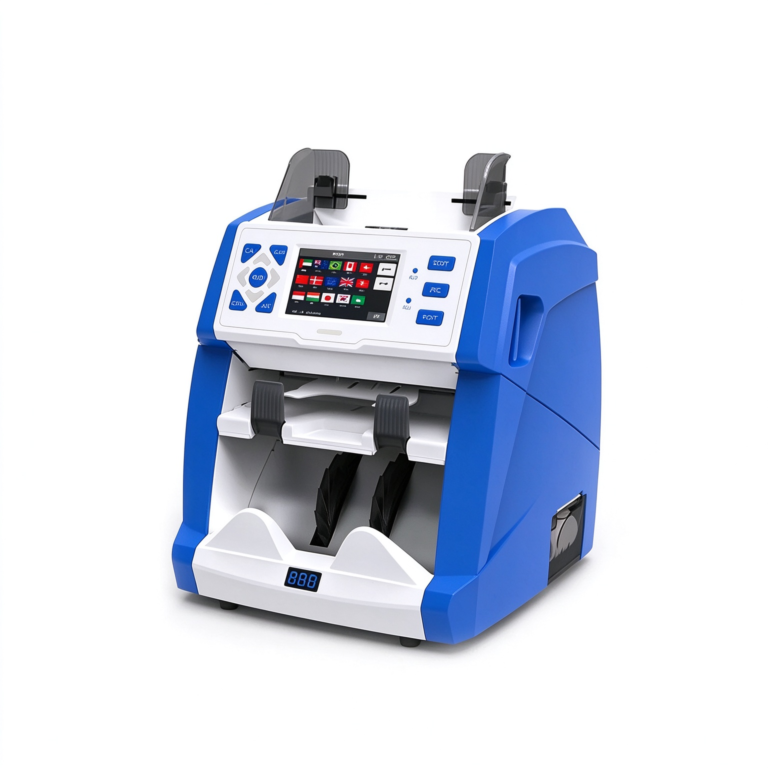 How Banknote Glue Tape Detection Protects Cash Flow
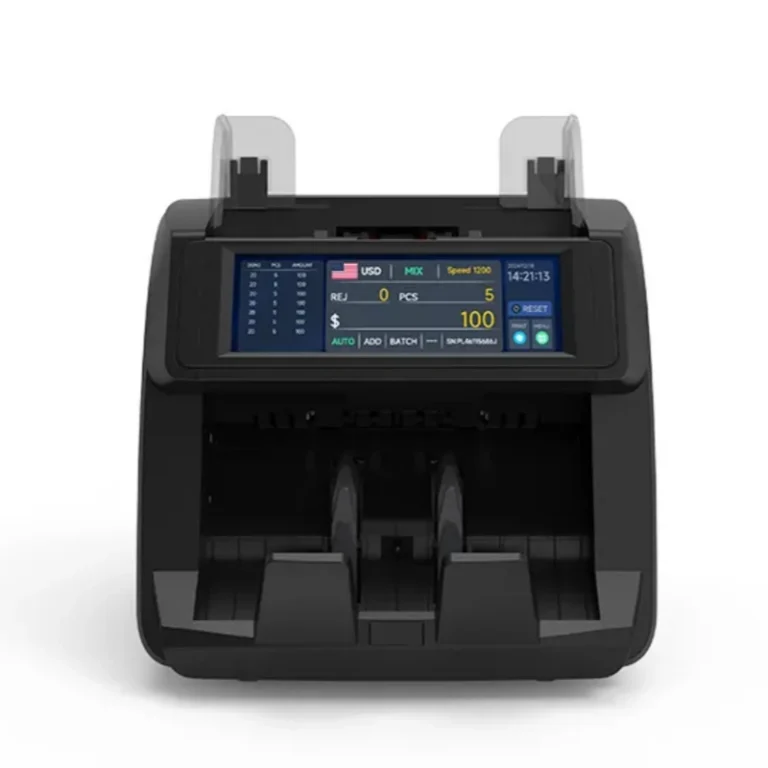 Currency Value Counter: What Buyers Must Specify
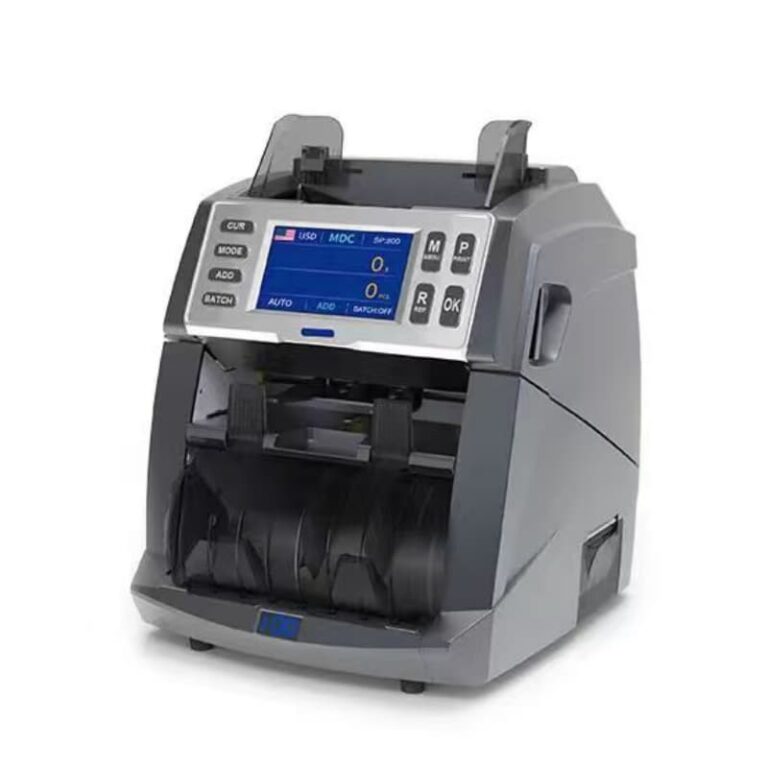 Cash Handling Equipment for High-Volume Operations
