
Categories
- Blogs (8)
- Currency Solutions (2)
A repaired banknote can enter a cash room looking complete, count normally at low speed, and still create downstream risk. Tape can conceal a tear, hold together separated sections, alter note dimensions, or interfere with fitness decisions. Effective banknote glue tape detection gives banks, cash centers, retailers, and currency exchanges a controlled way to identify these notes before they are recirculated, bundled, or accepted as verified inventory.
For high-volume operations, the goal is not simply to find a visible piece of tape. The goal is to make a repeatable machine decision: accept the note when it meets configured standards, reject it when it does not, or direct it to a separate pocket for operator review. That decision must remain reliable at operating speed and across the actual note condition encountered in local circulation.
Tape is often associated with damaged or repaired currency rather than counterfeit currency. A note may be genuine but unsuitable for recirculation, deposit processing, ATM replenishment, or customer payout. Policies differ by central bank, commercial bank, and cash-processing application, so an operation should define whether a taped note is treated as unfit, suspicious, or acceptable after review.
This distinction matters when specifying a sorter or value counter. A machine designed primarily for denomination recognition and counterfeit screening may not provide the same repaired-note identification performance as a fitness sorter with image-based defect analysis. Procurement teams should avoid treating all “tape detection” claims as equivalent.
A reliable workflow also protects reconciliation. When an operator manually removes taped notes after a count, the physical count, reject count, and reported totals can become harder to trace. Automatic sorting into a reject or suspect pocket preserves a documented exception path and reduces the chance that a repaired note is mixed back into good currency.
Banknote glue tape detection generally depends on the machine’s ability to identify an abnormal surface, transmission pattern, or image feature. Adhesive tape may be clear, colored, matte, glossy, narrow, wide, or placed at a note edge. It can change how light reflects from the note, reduce light transmission through the paper or polymer substrate, and create lines or patches that differ from the genuine design.
In practical equipment, the strongest approach combines several sensing channels rather than relying on one measurement. Contact image sensors capture high-resolution visible images of both sides of a note. Infrared channels can reveal material and print characteristics that are less apparent in visible light. Transmitted-light sensing is useful for identifying irregular density or coverage in a repaired area. Depending on the machine architecture, ultraviolet and magnetic sensors may contribute to overall authentication, although they are not usually the primary means of recognizing clear tape.
The software layer is equally important. Image-processing algorithms compare detected note features with configured templates and define tolerance ranges for suspect areas. If the threshold is too sensitive, clean but heavily circulated notes may generate excessive rejects. If it is too relaxed, narrow transparent tape or edge repairs may pass through. The proper setting depends on the note series, substrate, circulation quality, and the customer’s acceptance policy.
Detection performance also depends on note presentation. Creased notes, folded corners, dirt accumulation, and curled edges can resemble defects when sensors are poorly calibrated or contaminated. This is why detection should be evaluated as part of a full sorting system, not as an isolated checkbox in a specification sheet.
A machine is valuable only when its reject logic supports the operation around it. In a bank branch or retail cash office, a mixed-denomination value counter may identify suspected taped notes and stop or divert them for review. In a cash center, a multi-pocket banknote sorter can separate fit notes, unfit notes, counterfeit suspects, and tape-related exceptions in one pass.
The right routing policy depends on volume and risk tolerance. A supermarket back office may send all repaired-note exceptions to a supervisor for later deposit review. A currency exchange may place them in a designated reject cassette pending verification. An armored cash operation may require a detailed audit trail showing machine serial number, operator, date, denomination, and reason code for each exception.
Operators should not assume that every tape-related reject is invalid currency. The machine is identifying a physical condition that requires handling according to local rules. Clear procedures prevent two costly errors: returning an unsuitable note to circulation or incorrectly treating a genuine note as counterfeit.
The same detection setting cannot be expected to perform identically across all currencies. Banknotes vary in paper composition, polymer content, color density, security-thread placement, print layout, size, and wear patterns. A transparent repair over a dark printed area may produce a different optical signature than the same repair over a pale region.
This is particularly relevant for suppliers serving multiple export markets. A detection solution should be configured and validated with the target currency, denomination range, and note series. BCASH applies its image-scanning and processing experience to currency-specific detection requirements, including regional banknote environments where circulation conditions and note designs require tailored configuration.
Buyers should also specify whether they need detection for current notes only or for multiple series that remain in circulation. A system trained on a new issue may require adjustment when older, softer, or more heavily repaired notes enter the same processing stream.
The most useful factory test is not a generic demonstration with a few clean notes. Ask for a controlled sample set that reflects your real intake conditions. It should include genuine notes with transparent tape, opaque tape, edge repairs, center repairs, small and large repaired areas, folds, stains, and ordinary worn notes without tape.
During evaluation, measure more than whether the machine rejects a sample. Record the detection rate for intentionally repaired notes, the false-reject rate for acceptable notes, throughput at the intended operating mode, and the consistency of sorting over repeated runs. If the equipment has multiple pockets, confirm that the reject reason and pocket assignment match the required workflow.
It is also reasonable to test difficult cases. Very narrow clear tape, tape covering security features, overlapping repairs, and tape near note edges can challenge optical inspection. No supplier should imply that any machine can identify every possible repair under every condition. A professional evaluation defines the required detection range and documents the limits.
For distributors and importers, request clear technical communication on sensor configuration, supported currencies, software version control, calibration procedures, and post-shipment support. These details affect the long-term value of the machine more than a single laboratory result.
A tape-detection function depends on clean optical paths and stable note transport. Dust on image sensors can produce false marks. Deposits on rollers and belts can cause slipping, skew, or inconsistent note positioning. Worn feeding components may make a valid note appear irregular because it passes the sensors at an angle.
A scheduled maintenance routine should include sensor cleaning with approved materials, removal of paper dust from the transport path, inspection of rollers and belts, and verification runs using known samples. Operators should never use aggressive solvents or tools that can damage sensor windows, rubber components, or protective coatings.
When false rejects increase, do not immediately reduce sensitivity. First inspect the note path, clean the machine, confirm correct currency mode, and run a controlled test set. Lowering the threshold may improve short-term throughput while allowing repaired notes to pass unnoticed.
Before selecting a banknote sorter, value counter, or fitness-processing system, define the operational requirement in measurable terms. State the currencies and note series, average daily volume, required denominations, acceptable reject rate, desired pocket configuration, reporting needs, and the physical conditions to be detected. Include tape, glue repairs, holes, tears, stains, double notes, chained notes, and counterfeit suspects where relevant.
Then ask the supplier how the machine identifies repaired notes, which sensor channels are involved, whether the feature is enabled by standard firmware or custom configuration, and how the machine classifies a tape-related event. Confirm whether the equipment can be updated when new note series are issued and whether test samples can be evaluated before production or shipment.
The best result is a detection system matched to a real cash stream, supported by clear sorting rules and routine maintenance. When tape repairs become a managed exception instead of an operator judgment call, cash operations gain cleaner circulation quality, better accountability, and more predictable processing results.
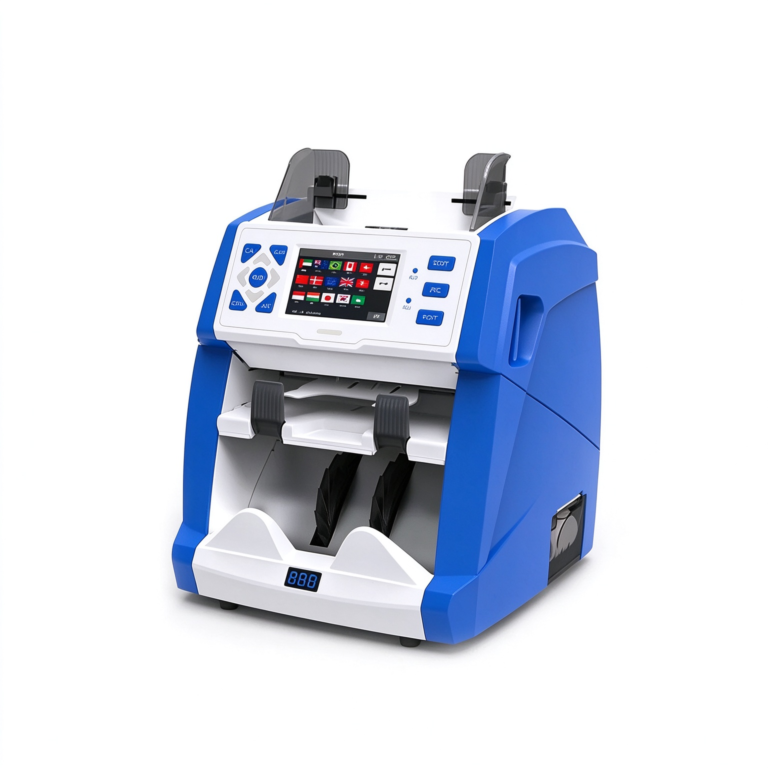 How Banknote Glue Tape Detection Protects Cash Flow
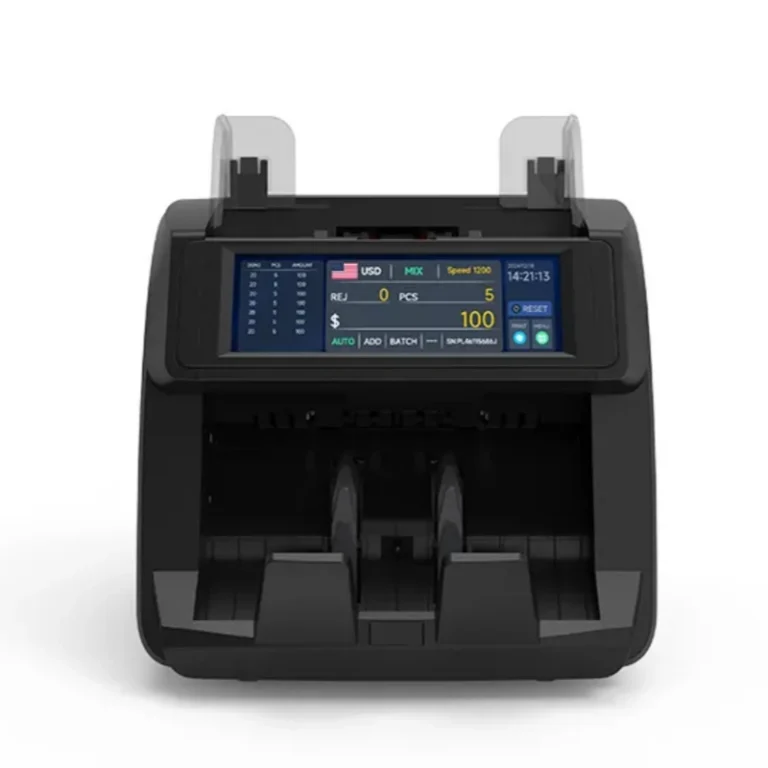 Currency Value Counter: What Buyers Must Specify
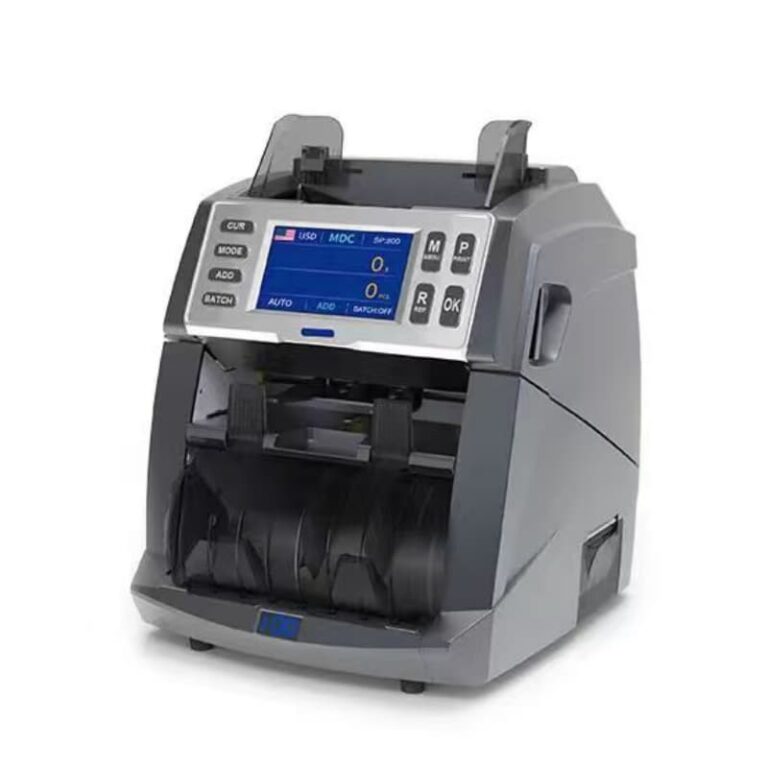 Cash Handling Equipment for High-Volume Operations
