
Categories
- Blogs (15)
- Currency Solutions (2)
A packet note counting machine is designed for a specific control point in cash operations: confirming that strapped or loose bundles contain the correct number of notes before they move to the next stage. For banks, cash centers, armored-car operators, casinos, and large retail cash offices, that verification can prevent shortages, reconciliation delays, and avoidable rework across thousands of packets per shift.
Unlike a standard friction-feed money counter, packet counting equipment is built to process notes as a bundle or packet. Depending on the machine design and operating method, it may count a preformed packet through a vacuum-based system, verify a fixed note quantity, and flag an incorrect packet for investigation. The operational value is simple: staff do not need to break down every bundle and manually recount it when speed and accountability matter.
Packet verification is most valuable after sorting and before final packaging, dispatch, vault storage, or branch delivery. A cash center may receive notes from multiple sources, process them through high-speed sorters for fitness and denomination, then prepare fixed-quantity packets for shipment. At that point, a packet note counting machine provides a final quantity check.
This function is also useful at retail cash offices that consolidate deposits from multiple stores. Cashiers or back-office teams can prepare standard bundles, while supervisors verify those bundles before bank pickup. In an armored cash logistics environment, packet verification helps control shortages at handoff points where responsibility changes between processing teams, transport personnel, and receiving locations.
The machine does not replace a banknote sorter or counterfeit detector. It serves a narrower but highly practical purpose. Sorting equipment identifies denomination, orientation, fitness, and suspicious notes. Packet equipment verifies quantity in prepared packets. When both functions are correctly placed in the workflow, managers gain a clearer audit trail and reduce the risk that an incorrectly assembled bundle is accepted as correct.
Manual recounting appears inexpensive until a facility measures the full process. An employee must separate notes, count them, align them, re-band the packet, and record any discrepancy. The direct labor time is only part of the cost. Repeated handling increases opportunities for notes to stick together, fall out of sequence, or become damaged. It can also delay dispatch cutoffs during peak-volume periods.
A dedicated packet counter standardizes this task. Operators place a prepared packet into the specified counting area, start the cycle, and receive a pass or error result. The benefit is not merely faster counting. It is consistent verification based on the same machine settings and mechanical process, regardless of which trained operator is assigned to the station.
For procurement teams, the correct comparison is not simply machine price versus manual labor. It is machine price versus the total cost of processing errors, delayed reconciliations, labor allocation, customer claims, and repeated handling of cash. The economic case is strongest where packet quantities are standardized and daily volumes are high enough to create a recurring verification workload.
A packet counting machine should be evaluated against the notes and operating conditions of the intended market. Published speed matters, but it is only one part of reliable performance. A very high nominal speed has limited value if the unit produces frequent false errors on worn, curled, dusty, or mixed-condition banknotes.
First, confirm the machine’s counting principle. Vacuum packet counters are commonly used where operators need to count notes without feeding them one by one through a conventional hopper. The correct configuration depends on note material, note condition, packet size, and whether the operation handles strapped bundles, loose bundles, or notes prepared in a specific manner.
Verify the supported packet capacity and the standard quantities used in your operation. A machine configured for 100-note bundles may not be the best fit for a workflow built around 50-note, 200-note, or market-specific packaging standards. Ask how easily count presets can be adjusted and whether the display clearly identifies shortages or overages.
A machine may count paper currency effectively while requiring different adjustment or configuration for polymer notes, heavily circulated notes, or notes with unusual dimensions. Currency compatibility should be tested with genuine samples representing real circulation conditions, not only crisp new notes.
Procurement specifications should identify the currencies, denominations, materials, note dimensions, and quality range the equipment must process. This is particularly relevant for cross-border buyers serving regional cash markets. BCASH can support equipment selection and technical communication around currency-specific operating requirements, including solutions where local note characteristics demand careful configuration.
The most useful machine is not the one that never stops. It is the one that reliably stops for a meaningful exception and gives the operator a clear path to resolve it. Evaluate how the machine indicates a short count, double note, jam, incomplete packet, or abnormal feed condition.
Clear error reporting reduces operator dependence and helps supervisors investigate discrepancies quickly. In high-volume facilities, consider whether the equipment can maintain count records, connect to a printer or system, or support the reporting method required by internal cash-control procedures. These features are not necessary for every site, but they can be valuable where chain-of-custody documentation is strict.
Packet counters operate in environments with paper dust and continuous mechanical activity. Look beyond the external cabinet. The practical questions are whether consumable parts can be accessed, whether sensors and vacuum paths can be cleaned efficiently, and whether the drive components are designed for sustained duty cycles.
A supplier should be able to explain recommended maintenance intervals, basic troubleshooting steps, spare-parts availability, power requirements, and the expected operating environment. For international procurement, request clear English documentation and confirm that technical support can address installation, adjustment, and routine service questions without unnecessary delay.
Start with the cash workflow, not the catalog page. A regional bank branch with occasional bundle verification has different needs from a centralized cash center operating multiple shifts. The branch may prioritize a compact footprint and straightforward operation. The cash center may need higher throughput, stronger construction, easy service access, and defined procedures for handling exceptions.
Before requesting a quotation, document the expected daily packet volume, standard packet quantities, currencies handled, note condition, available counter space, local power supply, and required reporting functions. This information lets the supplier recommend an appropriate model rather than offering a generic machine based only on speed.
Sample testing should be part of the purchasing process whenever possible. Send representative notes that include new and circulated currency, as well as the denominations most frequently processed. If the machine will operate near a sorter, vacuum packer, or strapping station, evaluate it as part of the complete line. The best configuration minimizes unnecessary movement between stations and avoids creating a new bottleneck after the count is completed.
Even well-engineered equipment can produce inconsistent results if it is placed in a poor operating environment. Install the machine on a stable, level surface away from excessive vibration, direct airflow, and concentrated dust. Operators should have enough workspace to stage packets, isolate exceptions, and keep counted packets separate from unverified cash.
Training should focus on more than pressing the start button. Operators need to understand how packets should be aligned, what constitutes an acceptable packet, how to respond to an error indication, and when to escalate recurring count discrepancies. A short, documented procedure reduces informal workarounds that can weaken cash controls.
Daily cleaning is equally important. Paper dust can affect sensors, vacuum performance, and note movement over time. Follow the manufacturer’s cleaning instructions, use appropriate tools, and avoid applying unsuitable liquids or excessive force to internal components. Routine inspection of worn parts is less costly than waiting for repeated jams or degraded accuracy during a peak processing period.
The right packet note counting machine should match a defined operational purpose: verify fixed cash bundles accurately, reduce repetitive manual recounting, and support accountable movement of currency through the facility. Speed is valuable, but repeatable accuracy, currency suitability, serviceability, and clear exception handling determine whether the machine improves the operation over years of use.
When evaluating suppliers, ask for technical specifications, representative-currency testing, quality-control information, spare-parts planning, and practical export support. A machine that fits the workflow from the first day gives your team more time to manage cash exceptions that actually require human judgment.
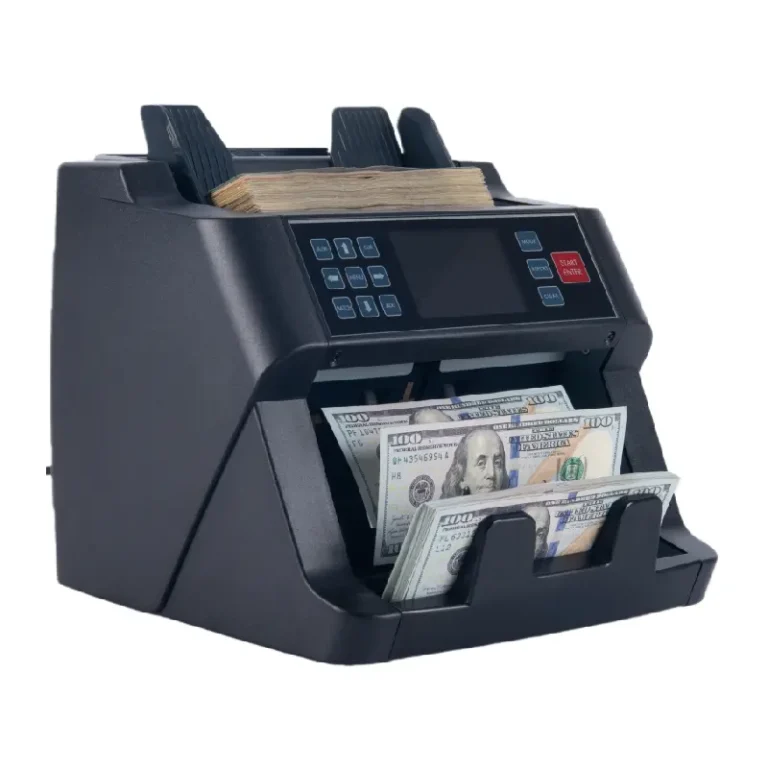 Packet Note Counting Machine Buying Guide
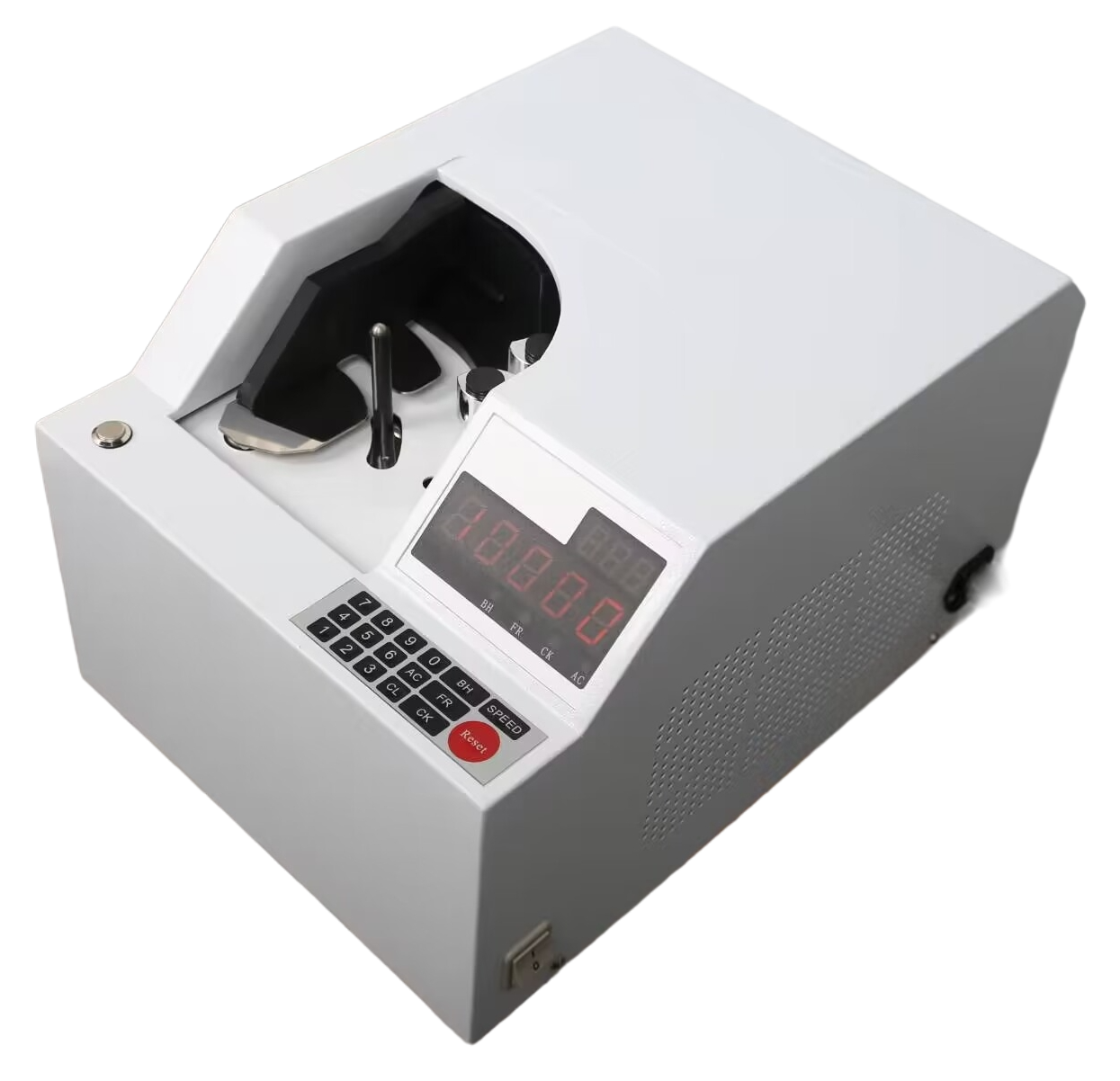 Vacuum Banknote Packing Machine Buying Guide
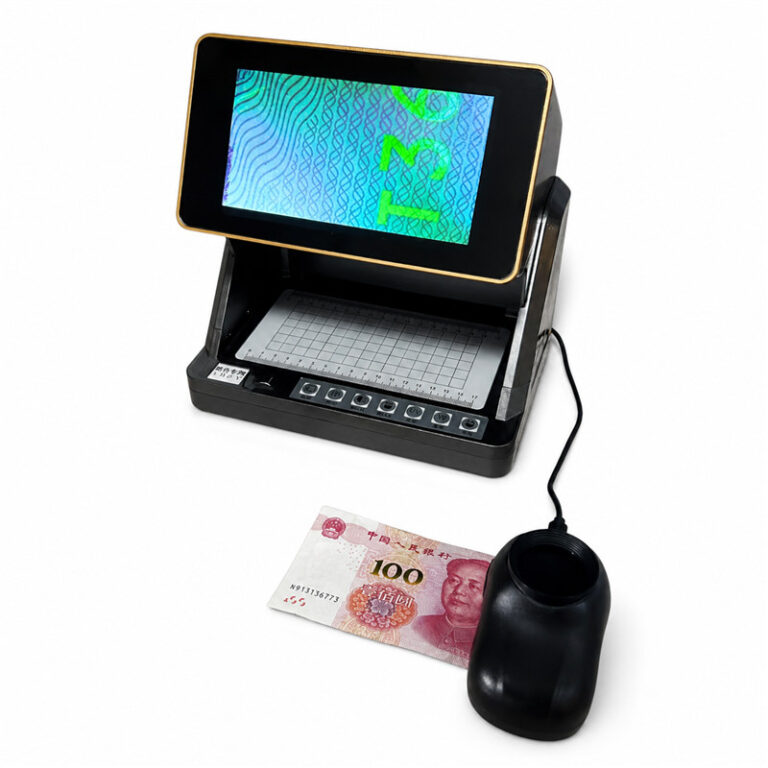 Counterfeit Detection for High-Volume Cash
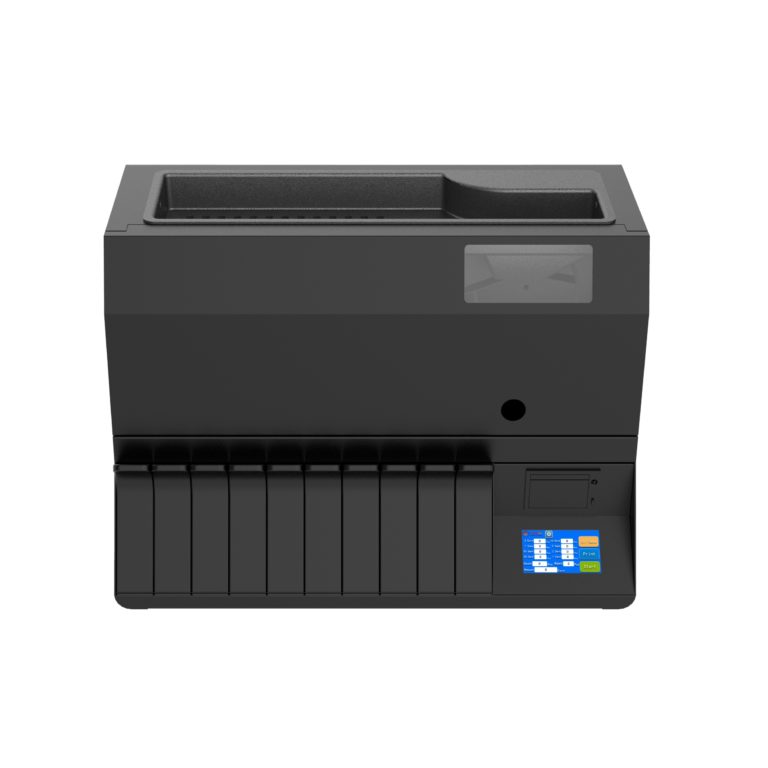 Commercial Coin Sorting Machine Buying Guide
 Fake Coin Detection Equipment for Cash Operations
