
Categories
- Blogs (14)
- Currency Solutions (2)
A suspected note found at the end of a shift creates more than a direct loss. It can delay reconciliation, trigger a deposit dispute, expose gaps in branch or retail procedures, and consume management time. Effective counterfeit detection is therefore not a single sensor or a claim on a product specification. It is a controlled process that combines the right banknote equipment, current currency data, disciplined operating procedures, and verification of rejected notes.
For cash-intensive organizations, the practical question is not whether a machine can identify a counterfeit bill under ideal conditions. The question is whether it can maintain dependable detection while processing mixed, worn, folded, and high-volume cash at operating speed.
Modern banknotes contain multiple authentication features, including visible design elements, infrared properties, ultraviolet response, magnetic ink, security threads, dimensions, and serial-number formats. No single characteristic is sufficient for all currencies or counterfeit methods. A detector or currency sorter needs to evaluate several features and compare the results with the expected profile for the note being processed.
That distinction matters in procurement. A basic counterfeit detector may be appropriate for a small point-of-sale operation that needs a secondary check on occasional high-value notes. A bank branch, currency exchange, casino cage, armored cash center, or supermarket cash office needs automated authentication integrated with counting, denomination recognition, sorting, and reject handling.
The required configuration depends on the cash environment. A machine that reliably processes fit, single-denomination notes may not be the right solution for mixed notes collected from many retail locations. Likewise, a detector configured for U.S. dollars may require additional development and testing before it can support CFA franc notes, Argentine pesos, or another regional currency.
A professional banknote counter or sorter generally combines several sensing methods. The value of the system comes from the way those readings are compared, not from the number of sensor names listed in a catalog.
Contact image sensors capture high-resolution images of a banknote as it passes through the transport path. Image-processing software compares the note’s printed pattern, layout, color response, dimensions, and other visual characteristics against stored reference data. This supports denomination recognition and helps identify notes with altered printing or design inconsistencies.
Image analysis is particularly useful in mixed-denomination value counting, where the machine must identify each note while maintaining throughput. However, image performance depends on clean optics, stable note transport, and well-maintained reference templates. Dust on sensors or poor separation can create false rejects and reduce operational efficiency.
Infrared detection evaluates how specific areas of a banknote absorb or reflect infrared light. Genuine notes often have defined infrared patterns that are difficult for low-quality counterfeit printing to reproduce. Ultraviolet detection checks fluorescence characteristics, including security fibers, strips, and paper response.
These technologies are highly useful, but they should not be viewed as stand-alone proof of authenticity. Some genuine notes can be heavily circulated, stained, or repaired, while sophisticated counterfeits may imitate selected UV features. Combining infrared and UV readings with image, magnetic, and dimensional checks provides a more reliable decision.
Many currencies use magnetic inks, magnetic security threads, or other magnetic components. Magnetic sensors verify the expected signal and position as the note moves through the machine. Thread detection can confirm whether a security element is present in the expected location.
For operations handling local and foreign currencies, the sensor system must be matched to actual note designs in circulation. Currency series change. Central banks issue new denominations and redesign security features. A supplier should be able to confirm which note series are supported and how updates are delivered.
Counterfeit protection is closely connected to note handling accuracy. Thickness and dimensional sensors help identify double notes, chained notes, half notes, and abnormal paper characteristics. These functions do not replace authentication sensors, but they prevent counting errors that can hide suspicious items within a large cash batch.
In a high-volume environment, reliable feeding is part of detection quality. If notes overlap, skew, or stop in the transport path, the system may reject too many genuine notes or fail to complete a full set of checks. Mechanical design, rollers, belts, guides, and separation mechanisms deserve the same procurement attention as the detection sensor list.
The equipment category should follow the workflow, cash volume, and risk profile. Buying a higher-speed machine than the application requires can add unnecessary cost. Buying an entry-level detector for a cash center can shift the cost into labor, errors, and unresolved exceptions.
A desktop currency counter with counterfeit functions can support retail back offices, teller stations, and small exchange operations. It can count and authenticate notes efficiently, especially when the cash mix is predictable. A mixed-denomination value counter adds denomination recognition and value calculation, reducing manual sorting before reconciliation.
For larger operations, a banknote sorter provides more control. It can separate notes by denomination, orientation, fitness, suspected counterfeit status, or other programmed criteria. Multiple pockets allow accepted notes to continue processing while rejected notes are directed to a separate pocket for review. This reduces stoppages and gives supervisors an auditable exception process.
When comparing models, procurement teams should evaluate four practical areas:
A specification sheet alone cannot answer every operational question. Buyers should provide representative sample notes, including circulated notes and the denominations most frequently processed. Where regulations and security procedures permit, controlled test samples or reference test protocols can help confirm the expected detection performance before shipment.
Counterfeit methods change, but genuine currency also changes. New series may introduce updated portraits, windows, threads, inks, or machine-readable features. Detection software must recognize genuine new notes without weakening the machine’s rejection criteria.
This is why configuration is not an afterthought. Equipment intended for a specific market should be tested against notes actually circulating in that market. Regional solutions may need adjustment for print variations, note condition, and the mix of old and new series. For importers and distributors, this capability is often more commercially valuable than a generic multi-currency claim.
BCASH applies proprietary image scanning and processing development to specialized banknote detection requirements, including regional currency applications. For overseas procurement, the goal is clear technical communication before production: define the target currencies, note series, language requirements, machine functions, and acceptance criteria early in the project.
No legitimate operation should treat a machine reject as an automatic final judgment. The machine is designed to isolate a note for controlled examination. A sound procedure protects the business while reducing unnecessary disruption when genuine but damaged notes are rejected.
Operators should retain rejected notes separately, record the machine’s reject reason where available, and submit the note for supervisor review under the organization’s policy. The review process may include a second pass, inspection with approved authentication tools, and escalation to the relevant bank, law enforcement agency, or central-bank procedure when a counterfeit is suspected.
The most common operational mistake is repeated recirculation of a rejected note without investigation. If a note fails consistently, it needs to leave the normal cash stream. The second mistake is overriding frequent rejects without checking the machine. A sudden increase in rejects can indicate dirty sensors, worn rollers, incorrect currency selection, a software issue, or a genuine change in the cash received.
Detection accuracy is not fixed at the day a machine leaves the factory. Dust, paper debris, adhesive residue, and worn transport components can affect sensor readings and note movement. Preventive cleaning should follow the equipment manual and the operating environment. High-volume cash offices generally need a more frequent schedule than low-volume teller stations.
Operators should also monitor recurring error patterns. Persistent skew errors, double-note alarms, unusually high reject rates, or inconsistent denomination recognition are maintenance signals, not just operator inconveniences. Cleaning image sensors and note paths, inspecting rollers, and replacing wear parts on schedule can restore stable processing before an issue becomes a reconciliation problem.
Counterfeit detection delivers its greatest value when it is treated as an operating system rather than a box on a counter. Select equipment for the real cash mix, confirm the currency configuration, keep the machine clean and updated, and make every reject traceable. That approach gives cash-processing teams faster throughput without asking them to trade away control.
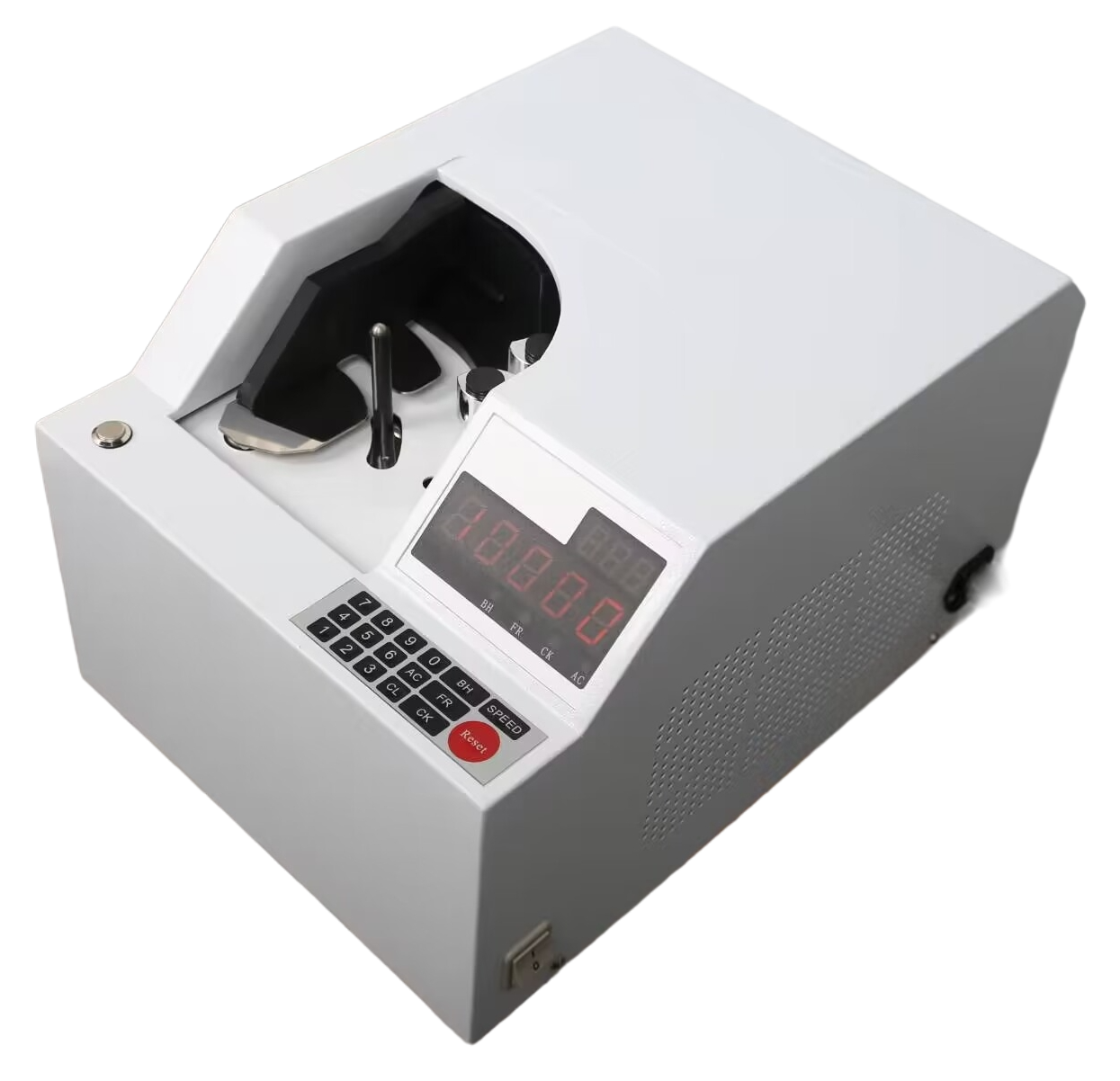 Vacuum Banknote Packing Machine Buying Guide
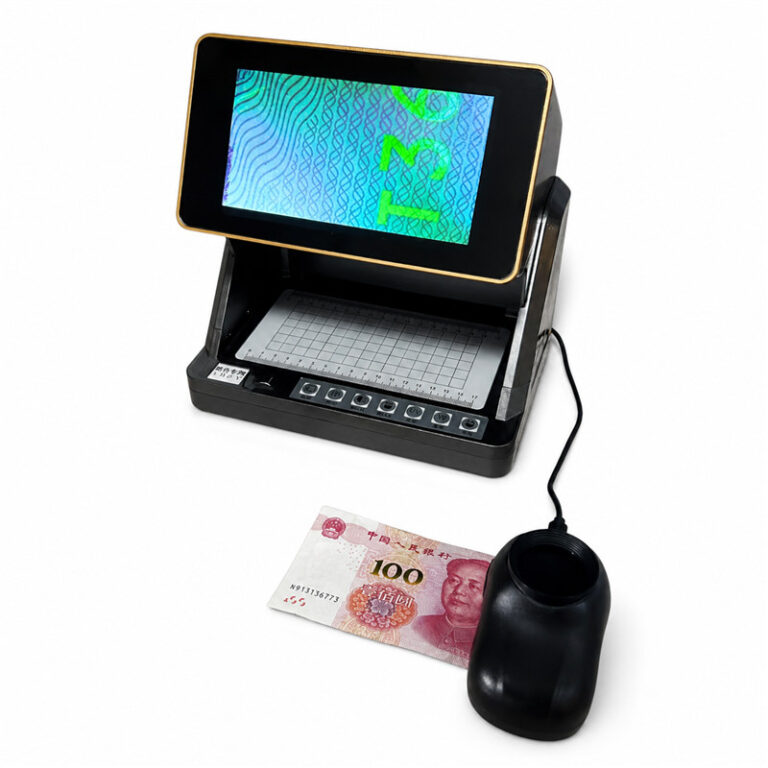 Counterfeit Detection for High-Volume Cash
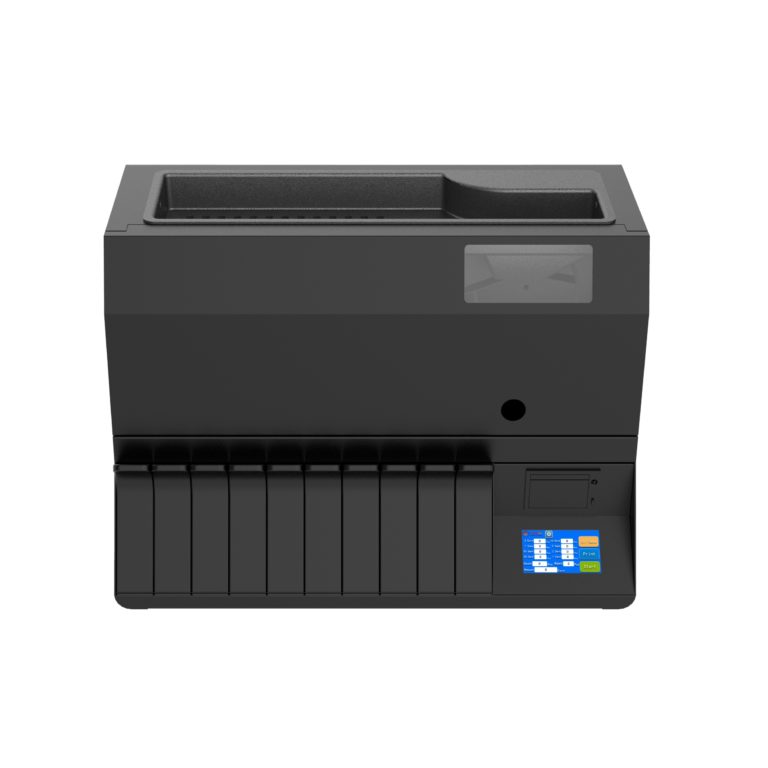 Commercial Coin Sorting Machine Buying Guide
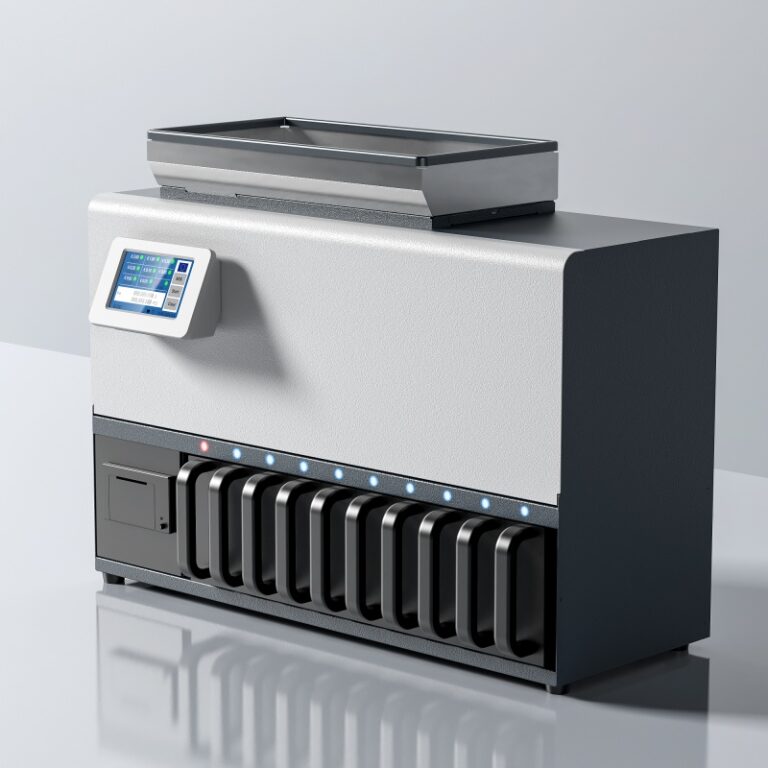 Fake Coin Detection Equipment for Cash Operations
