
Categories
- Blogs (21)
- Currency Solutions (2)
A coin sorter and counter is often treated as a small peripheral purchase until manual coin handling begins delaying reconciliation, tying up staff, and creating avoidable balancing differences. For cash offices that receive deposits from retail locations, transit systems, gaming floors, vending operations, or financial branches, coin processing capacity directly affects close-out time and labor cost. The right machine turns mixed loose coin into verified denomination totals and prepared bags, tubes, or wrappers. The wrong machine simply moves a bottleneck from the counting table to the service bench.
At its most basic, a coin machine identifies denominations, separates them into collection bins, and records the count and value for each denomination. That description is simple, but procurement requirements are not. Coin size variation, dirt, foreign objects, throughput targets, output method, and duty cycle all determine whether a unit is suitable for professional operation.
A basic counting-only unit may provide a total quantity or total value after an operator pre-sorts coins. A sorter separates mixed coins by denomination. A more capable coin sorter and counter combines sorting, counting, batch programming, reject handling, and packaging support in one workflow. For an operation receiving large mixed deposits, this integrated approach is generally more efficient than assigning employees to pre-sort coin manually.
The key is to specify the actual operating sequence. A supermarket cash office may need rapid denomination totals to reconcile tills. A financial institution may require controlled bagging by batch value. A currency exchange operation may need a configurable solution for local and foreign coins. These are different applications, even when each buyer asks for a machine that “counts coins.”
Published speed is useful, but it is not the first specification to evaluate. Manufacturers commonly state a maximum rate in coins per minute under clean, free-flowing test conditions. Real deposits contain dust, bent coins, tokens, paper clips, damaged pieces, and occasionally mixed foreign currency. The machine must maintain accurate sorting while managing those conditions.
Before requesting a quotation, define the denominations to be processed, expected coin condition, average daily volume, peak-hour volume, and preferred output. Also identify whether operators will pour loose coin into the hopper, feed coin from collection bags, or process coin after manual preparation. A high-speed unit with a limited hopper can still require frequent intervention. Conversely, an oversized industrial system may not deliver acceptable value in a branch with low daily volumes.
For US coin programs, the equipment should be configured and verified for the applicable cent, nickel, dime, quarter, and dollar coin dimensions. If the customer handles tokens, Canadian coin, or other circulating foreign coin, those requirements need to be raised during technical review. Mechanical sorting systems depend on physical coin characteristics. A small dimensional difference can affect routing accuracy and reject performance.
A procurement decision should consider the entire coin path, from loading through final packaging. Hopper capacity determines how often an operator must stop and reload. The feed system determines whether coin enters evenly or accumulates at a choke point. Collection bins determine whether sorted coin can be removed safely without interrupting work.
For higher-volume environments, batch functions are particularly valuable. Operators can set a target number of coins or target value for each denomination, then prepare deposits to defined packaging standards. When paired with compatible bags, tubes, or coin wrappers, batching reduces the risk of overfilled or underfilled output. It also gives supervisors a more repeatable method for preparing coin for bank deposit or armored collection.
Reject handling deserves equal attention. A dedicated reject path can isolate foreign coins, damaged coins, debris, and items that do not match the configured denomination set. Without a practical reject design, operators may have to stop the machine frequently to investigate jams or mixed output. For a cash office, that interruption is more costly than a modest difference in rated counting speed.
A clear specification prevents suppliers from quoting visually similar machines with materially different capabilities. Include these requirements in the request for quotation:
This level of detail makes technical comparison faster and helps prevent expensive changes after shipment.
Coin machinery is mechanical by nature. Dust, oxidation, adhesive residue, and fragments from damaged coin accumulate in the transport path and sensors. If cleaning is postponed, feed consistency can decline, resulting in jams, rejects, or denomination errors. A machine with a strong mechanical design still requires a scheduled maintenance process.
Operators should remove loose debris from the hopper and coin path at the recommended interval, inspect collection areas, and use only approved cleaning methods. Abrasive tools or unsuitable liquids can damage sensors, belts, and molded guides. Facilities processing heavily circulated coin should plan more frequent cleaning than sites receiving relatively clean branch deposits.
Procurement teams should also ask about wear components. Belts, rollers, sensors, gears, and hopper assemblies may be serviceable items depending on the design. Access to parts diagrams, operating manuals, technical troubleshooting, and replacement components can determine whether a machine remains productive for years or becomes disposable after a minor fault.
Retail cash offices typically benefit from compact sorting equipment with clear denomination totals, straightforward batch functions, and easy operator training. Their priority is rapid daily reconciliation rather than continuous industrial throughput. A unit that fits under a counter but allows quick removal of sorted coin may be the best operational fit.
Banks, credit unions, armored cash operations, and central cash-processing sites often need heavier-duty construction, greater hopper and collection capacity, and consistent performance through longer shifts. Here, output control and serviceability matter as much as speed. The equipment must support disciplined deposit preparation and minimize manual touches between receipt, verification, packaging, and dispatch.
Casinos, transit operators, laundries, amusement businesses, and vending-service companies can present unusually dirty coin loads and high proportions of tokens or nonstandard pieces. These operations should prioritize feed reliability, reject separation, and application-specific configuration. A standard model may work, but only after representative coins and contaminants have been evaluated.
For distributors and importers, product positioning is another factor. A portfolio should cover entry-level counting, mixed-coin sorting, bagging or wrapping workflows, and higher-volume commercial processing. This allows dealers to match equipment to customer volume instead of forcing every buyer toward one machine class.
A coin sorter is a physical system with moving parts, calibration requirements, and country-specific electrical needs. Buyers should evaluate factory quality control, production consistency, English-language technical communication, inspection support, and export packaging alongside the product specifications. A low unit price has limited value if the supplier cannot confirm denomination compatibility, provide test results, or support replacement parts after delivery.
For OEM programs, discuss branding, front-panel language, user-interface requirements, packaging, manuals, plug configuration, and compliance documentation early. These details are easier to manage before production than after finished goods are packed for export. If a buyer supplies representative coins, test videos and documented results can provide useful confirmation before an order is released.
BCASH approaches this category as part of a broader cash-handling equipment program, combining coin-processing options with technical communication, quality inspection experience, and export support. For international buyers, that broader capability can simplify procurement when coin equipment must align with banknote counting, counterfeit detection, packaging, or cash-office workflow requirements.
The best purchase decision is rarely the machine with the highest number on a brochure. It is the configuration that handles the actual coin mix, reaches required output without constant operator attention, and can be maintained with practical support over its service life. Define the deposit flow first, test the critical coin set, and require the supplier to confirm the details that affect daily operation. That approach gives a cash office a coin-processing system that supports faster balancing rather than creating another exception queue.
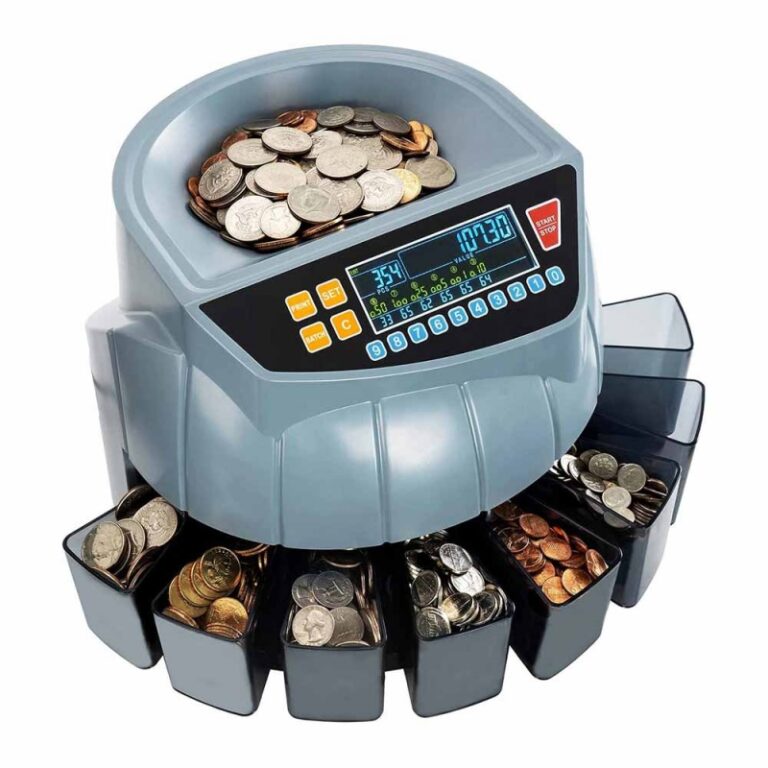 Coin Sorter and Counter Selection for Cash Offices
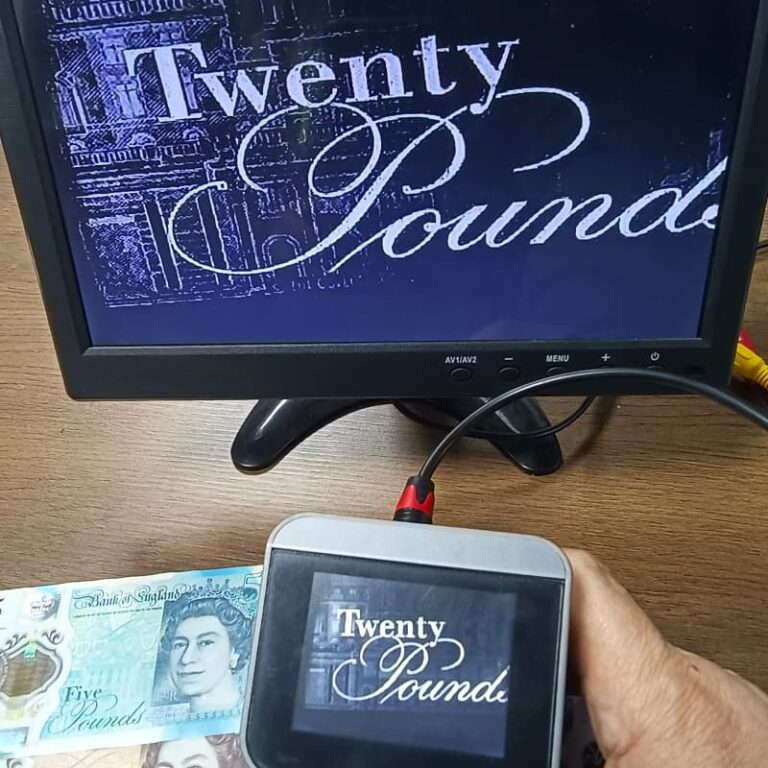 The Future of Cash Processing Will Be Hybrid
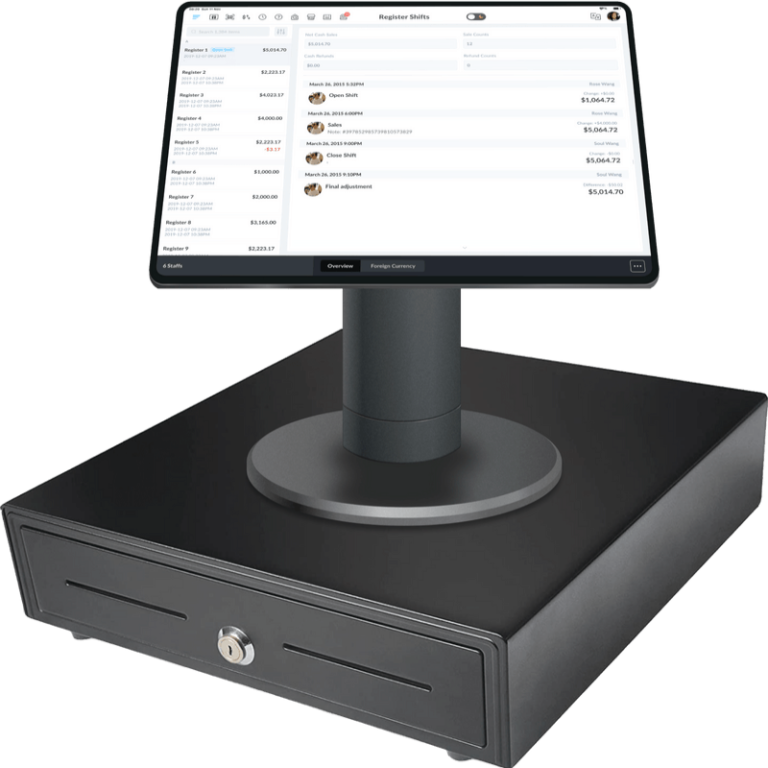 POS Safe Cash Management for Retail Cash Offices
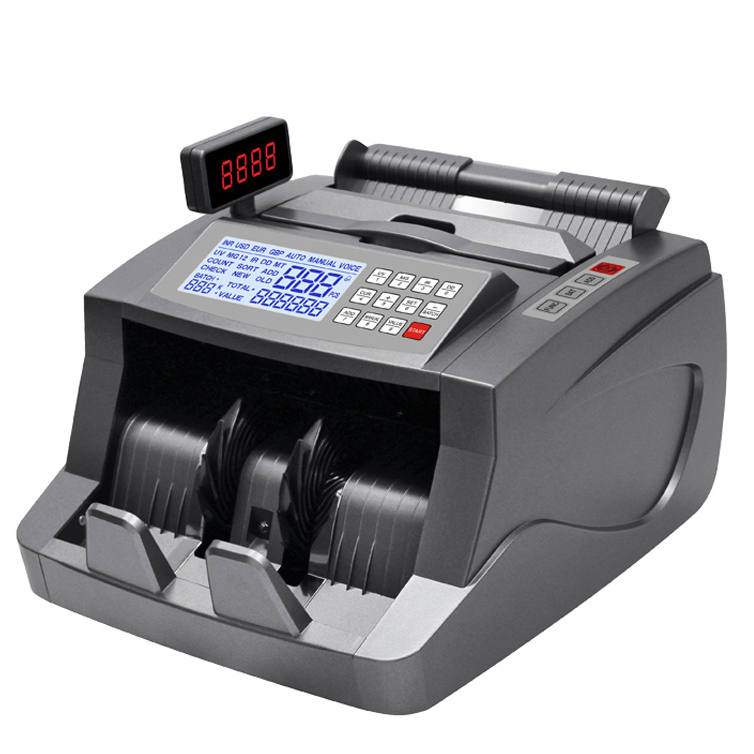 Currency Counter Calibration for Reliable Counts
 How Banknote Image Processing Technology Works
