
Categories
- Blogs (17)
- Currency Solutions (2)
For procurement teams, the distinction matters. A machine may have an impressive notes-per-minute specification, but speed alone does not protect reconciliation accuracy or reduce counterfeit exposure. The practical value comes from how well the equipment captures data, processes it under real transport conditions, and applies the correct rules for the currencies in circulation.
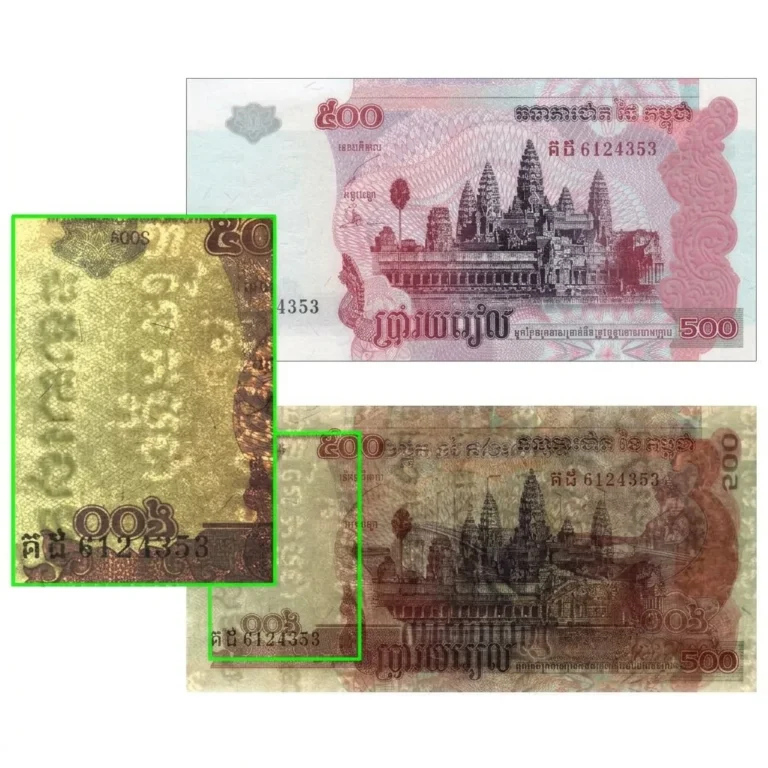
During note transport, imaging sensors capture the banknote while it passes through the machine. Depending on the equipment configuration, the system can read visible-light images, infrared patterns, ultraviolet responses, magnetic features, thickness, and physical dimensions. Image processing is particularly effective because it evaluates the printed design rather than relying on one feature alone.
A suitable imaging system examines both sides of the note and compares the captured information against stored reference templates. It can confirm denomination through portrait placement, numerals, design geometry, color distribution, security-thread locations, microprint areas, and other print characteristics. The best result is not simply an image match. It is a decision made with enough tolerance for normal circulation wear while still rejecting notes that are altered, damaged beyond policy limits, or potentially counterfeit.
This requires careful calibration. Genuine notes are rarely presented in ideal condition. They may be folded, stained, repaired with tape, skewed in the feed path, or faded after years of use. A system set too aggressively may reject a high number of genuine notes and slow the operator. A system set too loosely may accept notes that should be reviewed. Detection parameters must therefore match the operation’s risk policy, local note condition, and acceptable reject rate.
Image algorithms cannot compensate indefinitely for poor mechanical handling. Rollers, belts, guides, stacker wheels, and feed separation parts must present each note consistently to the sensors. Double feeding, slipping, excessive vibration, or a skewed transport path can create incomplete images and false errors.
This is why cash-handling equipment should be evaluated as one system. High-quality optical hardware, stable illumination, accurate note transport, and processing software work together. When one component is weak, the machine may lose accuracy even if its published detection feature list appears complete.
The processing sequence takes place in fractions of a second. First, the machine identifies the note’s orientation and position. It then corrects for normal movement and compares the image with stored currency data. Finally, it combines image results with other sensor readings before directing the note to an accept stacker, reject pocket, denomination pocket, or fitness category.
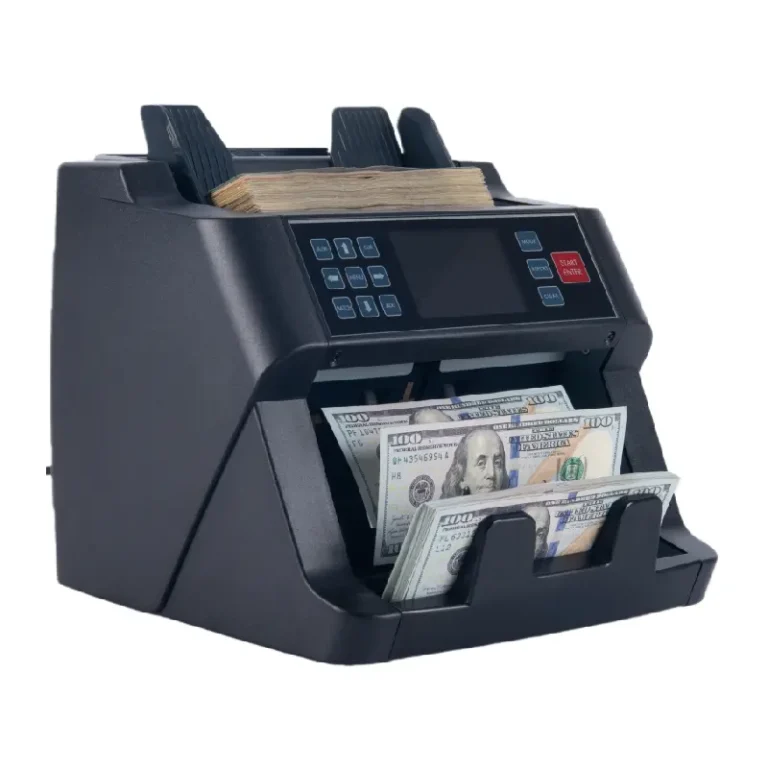
In a mixed-denomination value counter, this process supports denomination recognition and total-value calculation. The machine identifies each note as it passes, counts the physical pieces, and adds the correct face value to the batch total. That is materially different from a basic piece counter, which can count notes but cannot reliably calculate the value of a mixed stack.
In a banknote sorter, the same core technology supports more advanced workflows. A cash center may separate notes by denomination, orientation, facing, fitness, suspect status, or ATM suitability. A currency exchange operation may require fast multi-currency identification. A retail cash office may prioritize accurate end-of-day reconciliation and an efficient reject process. The right machine depends on the workflow, not just on the number of notes processed per minute.
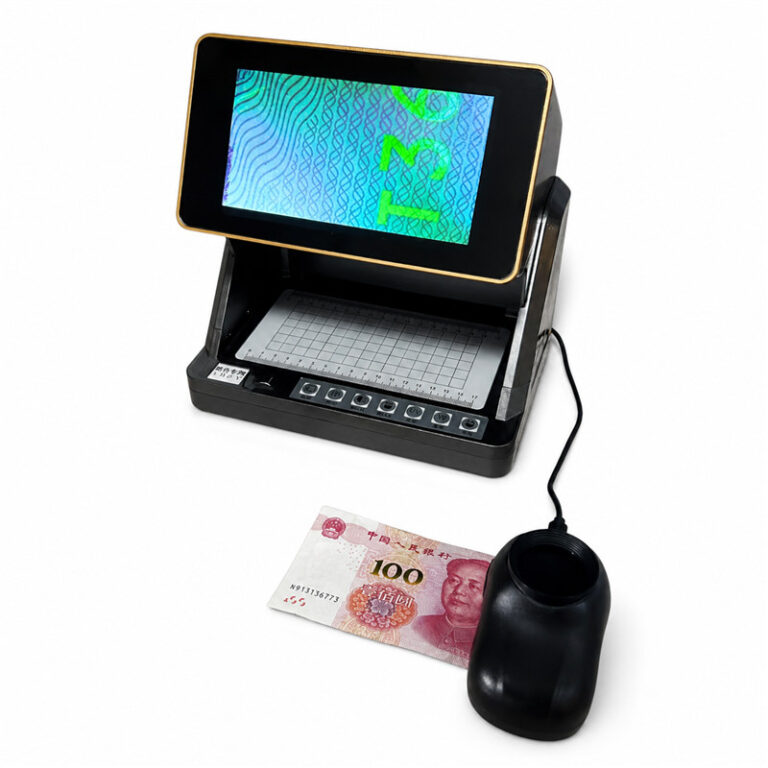
Image processing is a major part of counterfeit detection, but it should not be treated as the only line of defense. Professional equipment commonly combines image analysis with ultraviolet, infrared, magnetic, and dimensional checks. Each method detects different inconsistencies.
For example, a counterfeit may reproduce the visible design reasonably well while failing infrared characteristics. An altered genuine note may pass some material checks but show a mismatch in denomination graphics or security-feature placement. Combining sensor results gives the machine a stronger basis for a reject decision than any individual test can provide.
This multi-sensor approach also explains why a generic detector setting can be unsuitable for a local currency. A country may issue notes with multiple series, revised security features, polymer substrates, or wide variations in print condition. The machine needs currency data designed for those specific notes, then tested against genuine circulation samples where possible.
Procurement teams sometimes assume that a multi-currency machine will provide equal performance for every note it lists. In practice, multi-currency capability and currency-specific optimization are not the same thing. A broad library may recognize many currencies, while a dedicated configuration can more precisely address a particular note series and local circulation environment.
This becomes especially relevant in regions where notes are heavily circulated, frequently repaired, or commonly counterfeited. For West African CFA banknotes, Argentine pesos, and other regionally specific currency applications, image templates and detection thresholds may require specialized development. The goal is to recognize genuine notes consistently without creating an unacceptable volume of false rejects.
Updates are also part of the technical requirement. When a central bank introduces a new issue or changes security features, the currency database may need revision. Buyers should confirm how updates are delivered, whether they can be installed locally, and how the supplier validates the new software version before release.
The commercial case for imaging technology is broader than counterfeit protection. Properly configured systems reduce manual denomination sorting, improve balancing accuracy, and give operators clearer exception handling. Instead of recounting an entire batch after a discrepancy, staff can isolate the notes that triggered a reject or mismatch.
For cash-processing environments with several operators or shifts, consistent machine decisions also improve control. A documented reject policy is easier to manage than individual visual judgments made under time pressure. This can support more predictable cash-office procedures, particularly where large deposits must be counted, verified, strapped, and prepared for onward processing.
Image data can also support serial-number recognition in equipment designed for that function. Serial reading may help with audit requirements, cash tracking, or investigation workflows. However, serial-number capture should be specified carefully. Recognition accuracy depends on note condition, print quality, speed settings, and the required data format. It may be valuable for a financial institution or casino while adding little value to a small retail back office.
A productive supplier discussion begins with the actual notes and operational process, rather than a general request for a counterfeit detector. Procurement teams should define the currencies, note series, monthly volume, expected peak volume, and the purpose of each machine.
For a serious evaluation, ask about these operational points:
The answers should be specific. A supplier should be able to explain the note path, detection logic at a practical level, available reject modes, and the conditions under which a claimed speed is achieved. A high speed may apply to simple counting, while full authentication, serial capture, or sorting by fitness can reduce throughput. That is not necessarily a weakness. It is the normal trade-off between processing depth and output speed.
Even well-designed banknote image processing technology needs routine care. Dust from paper notes accumulates on sensors, rollers, and the transport path. Over time, this can reduce image clarity, increase feeding errors, and cause unnecessary rejects.
Operators should follow the manufacturer’s cleaning schedule, use approved cleaning materials, and inspect consumable parts before they affect daily output. Equipment should also be tested with representative genuine notes after cleaning, software updates, or a change in operating location. A quick functional test is far less disruptive than discovering a detection problem during a large cash run.
BCASH approaches this requirement as both an equipment and procurement issue: the machine configuration, currency data, quality inspection, English technical communication, and export support must align with the buyer’s actual cash workflow. The most effective installation is not the one with the longest feature list. It is the one that makes accurate, repeatable decisions on the notes your operation receives every day.
 How Banknote Image Processing Technology Works
 Choosing an LED Currency Exchange Board for Branches
 Packet Note Counting Machine Buying Guide
 Vacuum Banknote Packing Machine Buying Guide
 Counterfeit Detection for High-Volume Cash
