
Categories
- Blogs (20)
- Currency Solutions (2)
A cashier places a $1,200 drop into a safe, but the store office cannot verify the amount until the next morning. That gap is where shortages, disputes, and delayed deposits accumulate. POS safe cash management closes the gap by connecting cash acceptance, validation, accountability, and reporting at the point where cash leaves the register.
For multi-location retailers, supermarkets, convenience stores, casinos, transit operators, and cash-intensive service businesses, a POS safe is not simply a stronger box. It is a controlled cash-intake station. The right system records who made the drop, counts or validates the notes, applies business rules, and provides a reliable record for store management, armored carriers, and finance teams.
Traditional cash-office procedures often depend on manual count sheets, supervisor sign-offs, and end-of-day reconciliation. These methods can work in a low-volume operation with disciplined staff, but they become difficult to scale across shifts, locations, and changing employee teams. A safe that only stores cash does not resolve the question that matters most: what amount was deposited, by whom, and when?
POS safe cash management creates an auditable chain of custody from register till to bank deposit. Depending on the safe configuration, the system can accept bagged drops, validate individual banknotes, or count mixed denominations before storing funds in a secure cassette or vault. Transaction records can be associated with employee credentials, register numbers, shift identifiers, and store-level deposit rules.
The result is faster exception handling. If a register is short, management can compare POS sales data, declared till amounts, and recorded safe deposits without waiting for a manual recount or carrier pickup. This does not eliminate every discrepancy, but it identifies where the discrepancy entered the process.
Procurement teams should map the physical cash flow before selecting equipment. The best unit for a high-volume grocery cash office may be oversized for a small specialty retailer, while a basic deposit safe may not provide enough validation for an operation with frequent counterfeit exposure.
A practical workflow review should answer four questions:
These answers determine the required intake capacity, note-processing speed, cassette arrangement, user authorization method, and communications architecture. They also reveal whether a POS safe should operate as a standalone control point or as part of a broader cash automation system that includes currency counters, counterfeit detectors, note sorters, and deposit preparation equipment.
For example, a retailer receiving many small cashier drops may benefit from a smart safe with rapid note acceptance and user-level tracking. A large-format store that consolidates cash in a back office may need higher storage capacity, stronger banknote validation, and reporting that supports armored pickup schedules. A currency exchange operation generally requires more sophisticated multi-currency recognition and suspect-note handling than a standard retail location.
Not every POS safe performs the same level of verification. This distinction is central to both security and budget planning.
A deposit-recording safe confirms that an authorized person completed a drop. It may use access credentials, time-stamped records, and bag or envelope tracking. This approach improves accountability, especially compared with an unmonitored drop slot, but it does not confirm the contents or value of the deposit.
A note-validating safe accepts individual notes and uses sensors to identify denominations and reject suspicious or unacceptable banknotes. It can provide a verified deposit total at the time of acceptance. This reduces the need for a later manual count and strengthens reconciliation, but it requires reliable note transport, calibrated sensors, and software configured for the currency in use.
For higher-volume locations, the value of validated deposits is often found in reduced labor and fewer disputes rather than in physical security alone. Store staff spend less time counting cash after closing, and finance teams receive earlier visibility into expected deposits. However, organizations should calculate this value against service requirements, integration work, and the cost of maintaining a more complex unit.
A safe can generate useful transaction data without a direct POS connection. Yet integration becomes increasingly valuable when retailers need automated comparison between sales, declared cash, safe deposits, and bank credit.
The integration design should define what data moves between systems and how exceptions are handled. A useful record may include store ID, terminal ID, operator ID, shift, transaction time, declared amount, validated amount, and deposit reference. The safe does not need to become the source of truth for every financial record. It needs to produce dependable, traceable data that other systems can reconcile.
Procurement teams should ask suppliers whether the platform supports the required interface method, reporting format, user management approach, and remote diagnostics capability. They should also clarify responsibility for integration testing. A technically compatible safe can still create operational problems if store procedures, POS mapping, and back-office reporting are not tested together.
It depends on the retailer’s existing environment. A national chain with centralized loss-prevention reporting may require API-based data exchange and standardized device management. A regional operator may gain more value from scheduled reports and secure export files than from a major integration project. The objective is usable control, not unnecessary system complexity.
Cash deposited into a safe should not bypass the counterfeit controls used elsewhere in the organization. Where a safe validates notes, its detection capability deserves the same scrutiny applied to a currency sorter or value counter.
Evaluate sensor technology, denomination recognition, serial-number capture where required, reject-pocket handling, and the supplier’s ability to support current currency versions. Regional note designs, circulation quality, and local counterfeit patterns can affect performance. A detector configuration that performs well with one currency may need adaptation for another.
This is particularly relevant for distributors and importers serving multiple markets. Equipment suppliers should be able to explain how image scanning, image processing, and banknote-recognition parameters are developed, tested, updated, and quality-checked. BCASH applies its cash-handling engineering experience and currency-specific detection development to help buyers match equipment configurations to local note conditions.
A POS safe changes cash control only when employees can follow the process consistently during peak periods. Procedures should be direct: identify the user, prepare the drop, complete the deposit, retain the receipt or transaction reference if required, and resolve rejected notes according to a documented rule.
Managers should avoid designing a process that requires two people for every routine action unless the risk profile truly warrants it. Excessive steps encourage workarounds. At the same time, high-risk actions such as cassette removal, override access, safe opening, and adjustment entries should use tighter authorization and produce separate audit records.
Training should cover more than operating buttons on a screen. Staff need to understand why deposits must be made promptly, what to do with rejected notes, how to report a variance, and when not to force damaged notes through the validator. These details protect equipment availability and preserve the integrity of the audit trail.
A POS safe sits in a critical operating path. If it is unavailable at closing time, staff may revert to unsecured drawers, manual logs, or delayed deposits. That is why buyers should assess duty cycle, note-feed design, jam-clearing access, cassette capacity, consumable needs, environmental requirements, and availability of spare parts.
Physical security also remains essential. Review cabinet construction, anchoring provisions, lock options, access hierarchy, alarm interfaces, and the process for collecting stored cash. A validated transaction record is valuable, but it does not replace an appropriately rated cabinet and sound site-security practices.
For international procurement, specify the local power standard, currency set, language requirements, interface expectations, branding needs, packaging, inspection criteria, and after-sales parts plan before production begins. A one-stop sourcing partner can reduce coordination work, but only if technical requirements are documented clearly enough for factory testing and final inspection.
The strongest POS safe cash management program is the one staff can operate quickly, finance can reconcile confidently, and service teams can keep running. Begin with the cash movement you need to control, then select the validation, reporting, and security features that make every deposit easier to trust.
 The Future of Cash Processing Will Be Hybrid
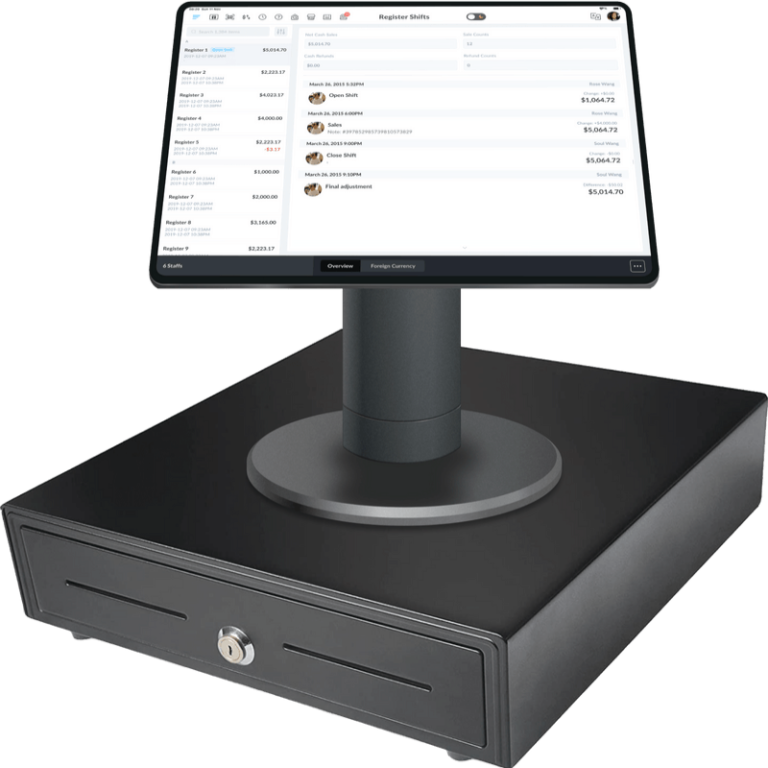 POS Safe Cash Management for Retail Cash Offices
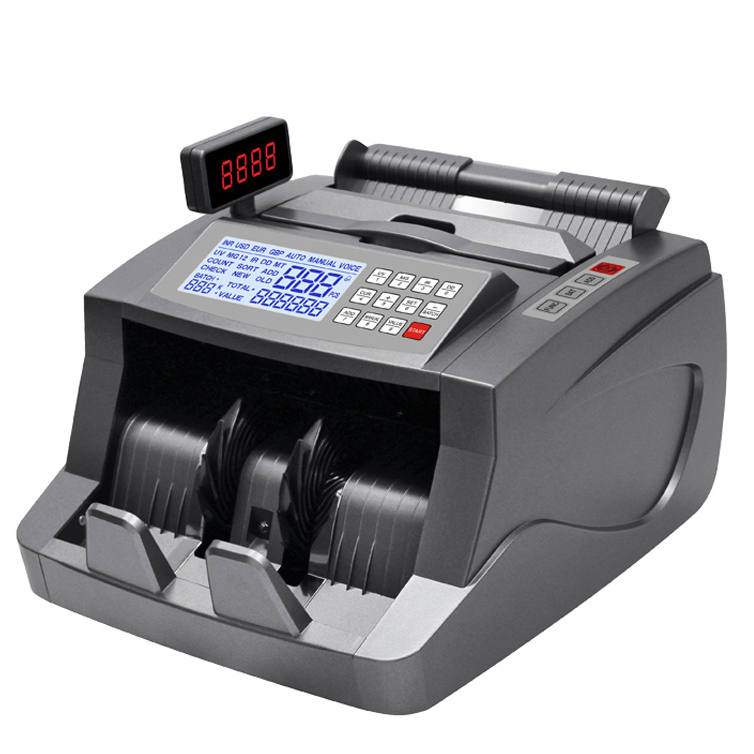 Currency Counter Calibration for Reliable Counts
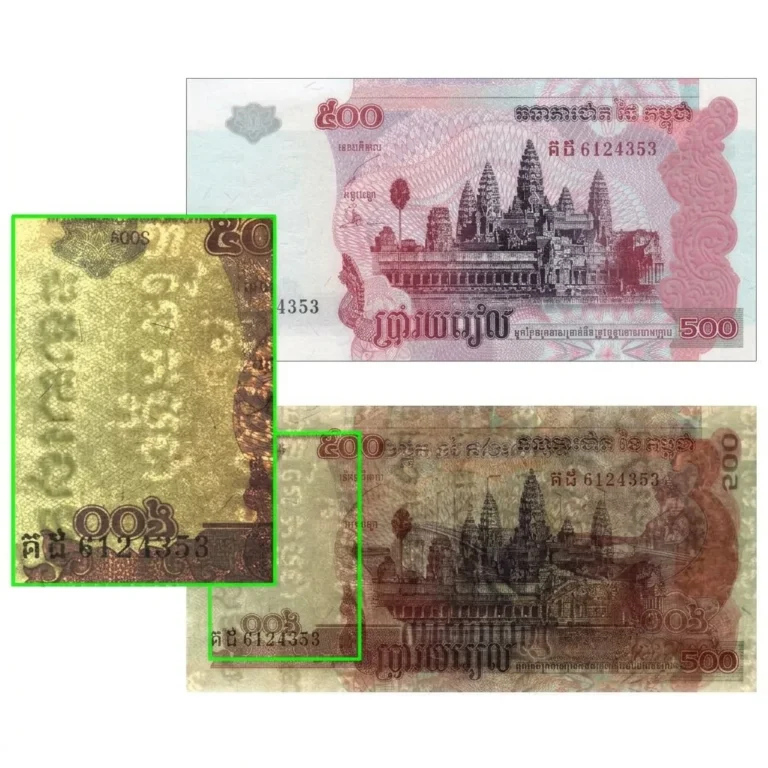 How Banknote Image Processing Technology Works
 Choosing an LED Currency Exchange Board for Branches
