
Categories
- Blogs (18)
- Currency Solutions (2)
A value counter can process thousands of notes per hour, but its decisions are only as dependable as the sensor readings behind them. Currency counter calibration is the controlled process of confirming that a machine’s counting, denomination recognition, fitness sorting, and counterfeit detection functions are operating within specification. For banks, exchange offices, retail cash centers, and armored operations, calibration protects more than count accuracy. It protects reconciliation, customer confidence, and the productivity gains that justified automation in the first place.
A counter that appears to run normally can still create costly exceptions. It may reject valid notes too frequently, miss a denomination change, report inconsistent batch totals, or classify dirty but genuine notes as suspect. These symptoms are not always caused by a failed component. Dust accumulation, worn transport parts, unstable power, changed note conditions, and incorrect currency settings can all affect performance. A disciplined calibration program separates routine operating conditions from actual equipment faults.
Calibration is sometimes used as a catch-all term for cleaning, testing, and adjustment. In a professional cash-processing environment, those activities are related but not identical. Cleaning removes the contamination that interferes with note transport and sensor readings. Functional testing checks whether the machine produces expected results. Calibration verifies or adjusts the relationship between the machine’s sensors, software thresholds, and known reference conditions.
The exact process depends on the equipment category. A basic friction-feed note counter may require feed-gap adjustment and sensor verification. A mixed-denomination value counter may also require image sensor alignment, denomination database checks, and validation of ultraviolet, infrared, magnetic, thickness, and size-detection channels. Banknote sorters with fitness functions add further requirements because they must consistently distinguish acceptable circulation notes from soiled, torn, taped, or otherwise unfit notes.
For procurement teams, this distinction matters. A supplier’s claim that a counter has multiple counterfeit-detection technologies does not by itself guarantee sustained field performance. Detection hardware, image-processing algorithms, currency templates, and maintenance procedures must work together under the actual note conditions at the installation site.
Modern banknotes change. Central banks introduce new designs, revised security features, polymer substrates, and updated denominations. Calibration cannot teach an older software version to recognize a new note series. If a currency is redesigned, the machine may need a firmware update, a new currency file, or a revised detection configuration before it should be returned to production use.
This is especially relevant for international distributors and operators serving multiple markets. A counter configured for US dollars may require different image templates, dimensions, and detection thresholds for CFA francs, Argentine pesos, or other regional currencies. Buyers should confirm that their supplier can provide practical technical communication, currency-specific software support, and a defined update path.
Most organizations should not wait for an obvious miscount before checking equipment. The right interval depends on note volume, environmental dust, note quality, and machine design. A branch counter handling low volumes of clean notes has different requirements from a retail back office processing worn, folded cash every shift.
Warning signs include repeated jams, increased reject rates, inconsistent totals on recount, unusual noise from the feed mechanism, and a rise in false counterfeit alarms. Slow feeding can indicate a worn roller, excessive dust, incorrect gap setting, or notes that are too damp, curled, or damaged for the selected operating mode. A calibration check should begin with the full operating context rather than an assumption that electronics are at fault.
Use a controlled test batch whenever possible. The batch should contain genuine notes in known quantities and denominations, representing the condition normally received in the operation. A test using only crisp new notes can give misleading results if the business mainly processes circulated cash. For value counters and sorters, test mixed-denomination bundles as well as single-denomination batches.
A repeatable workflow reduces guesswork and provides an audit trail for service teams. The following sequence is suitable for most professional cash counters, subject to the manufacturer’s model-specific instructions.
First, record the issue and operating conditions. Note the currency, software version, selected mode, count volume, reject codes, error messages, and whether the problem occurs with all notes or only particular denominations. This information is far more useful than reporting that the machine is “counting incorrectly.”
Next, isolate the machine from avoidable variables. Confirm that it is on a stable, level surface with the correct power supply. Remove staples, clips, rubber bands, and severely damaged notes from the test batch. Ensure that guides are correctly set and that notes are properly aligned before loading.
Then clean the note path according to the equipment manual. Dust on optical sensors can affect image capture and denomination identification, while residue on rollers can cause double feeding or poor note separation. Use approved cleaning materials only. Abrasive tools, wet cleaning methods, or unapproved solvents can damage sensor windows, rubber components, and coatings.
After cleaning, inspect the feed system. Check rollers, belts, separation parts, and stacker areas for wear, glazing, cracking, or accumulated debris. Mechanical wear is a common reason why a counter cannot maintain stable performance even after sensor checks. Replace consumable parts at the recommended service interval rather than extending their use until failures become frequent.
Run the controlled test batch several times. Compare the displayed quantity and value with the known result, and monitor rejects by reason. If readings remain inconsistent, perform the manufacturer-authorized calibration procedure or arrange qualified service. On machines with advanced image scanning and counterfeit detection, threshold adjustments should not be made casually. An incorrect adjustment can reduce false rejects while also weakening detection sensitivity.
Finally, document the result. Record the date, technician, machine serial number, currency tested, software version, test outcome, cleaning performed, and parts replaced. This simple practice helps operations managers identify recurring issues, forecast service needs, and evaluate machine performance across sites.
Counterfeit screening creates a particular calibration challenge because operations want two outcomes that can conflict: fewer false alarms and stronger detection. Setting the machine too aggressively may interrupt cash processing by rejecting large numbers of genuine but worn notes. Setting it too loosely may allow suspicious notes to pass without the required review.
The correct balance depends on the risk profile of the operation. A currency exchange business, casino cage, or bank cash center may require tighter controls than a low-volume retail location. The solution is not to disable detection channels to improve throughput. It is to use a machine configured for the local currency, maintain clean sensors, install current software, and establish a clear secondary-review procedure for rejected notes.
For high-risk currencies or regions, equipment with image-based recognition and multiple sensor technologies provides a stronger technical basis than a simple ultraviolet-only counter. However, the machine should still be verified using genuine reference notes and, where permitted and appropriate, controlled test materials handled by trained personnel.
Calibration requirements should be discussed before purchase, not after equipment arrives at a cash office. Importers and distributors should ask how the supplier handles currency configuration, software upgrades, spare parts, technical documentation, and remote troubleshooting. They should also confirm whether the proposed model is designed for basic counting, mixed-note value counting, sorting, or fitness classification.
Ask whether cleaning and routine operator checks can be performed in-house, which components are consumable, and what training is required for authorized adjustment. Clarify whether the supplier can support customized currency detection for the notes used in the target market. A lower initial machine price can lose its advantage quickly if local operators cannot obtain parts, update files, or clear service guidance.
For overseas buyers, a one-stop supplier with engineering capability can reduce these risks by coordinating equipment selection, quality inspection, documentation, and currency-specific technical support. BCASH applies this approach across cash-handling equipment categories, with solutions designed around practical processing requirements rather than a one-model-fits-all assumption.
The best calibration program is not a one-time service event. It is part of normal cash-control discipline. Operators should complete basic pre-use checks, supervisors should review recurring reject patterns, and maintenance teams should use documented test results to decide when cleaning, parts replacement, software updates, or professional service is required.
Reliable cash automation comes from keeping the entire process in control: note preparation, correct machine settings, clean sensors, healthy transport components, current currency data, and trained operators. When those conditions are maintained, currency counters can deliver the speed and accuracy that high-volume cash operations depend on without turning every exception into a manual reconciliation problem.
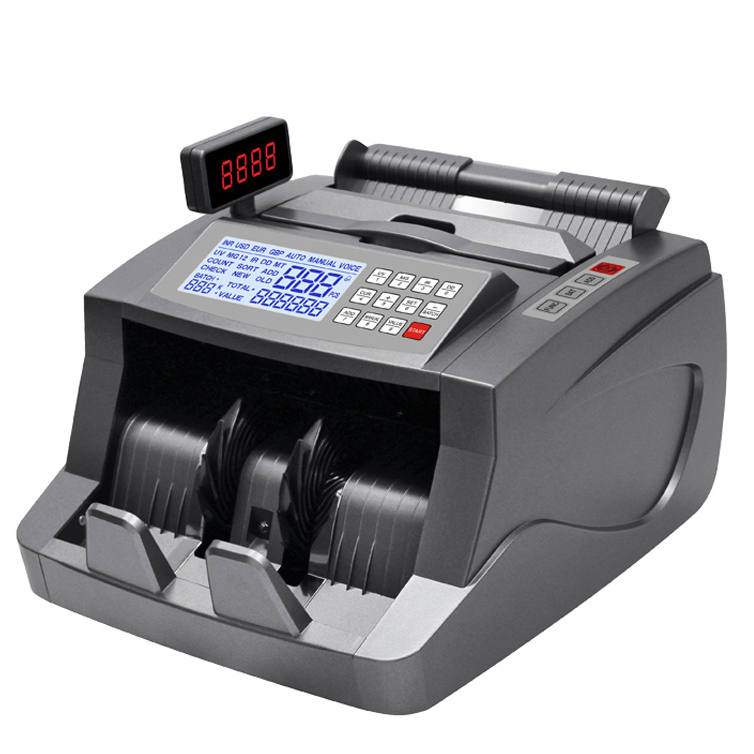 Currency Counter Calibration for Reliable Counts
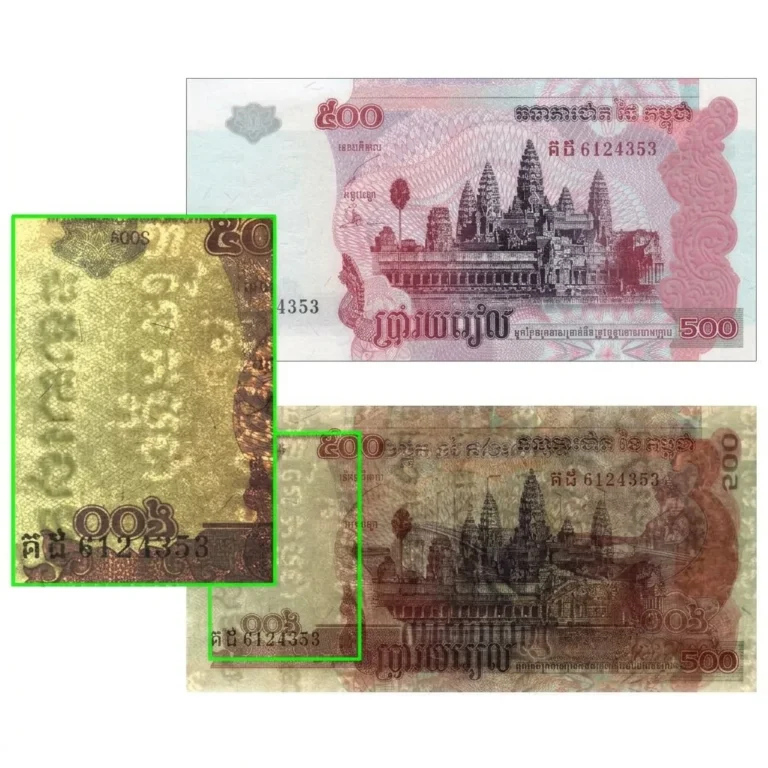 How Banknote Image Processing Technology Works
 Choosing an LED Currency Exchange Board for Branches
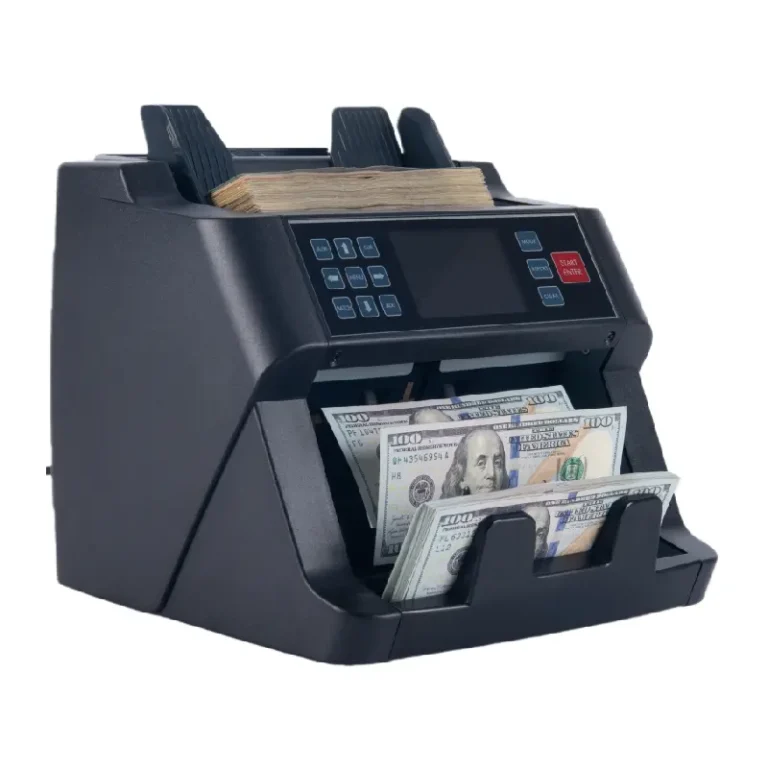 Packet Note Counting Machine Buying Guide
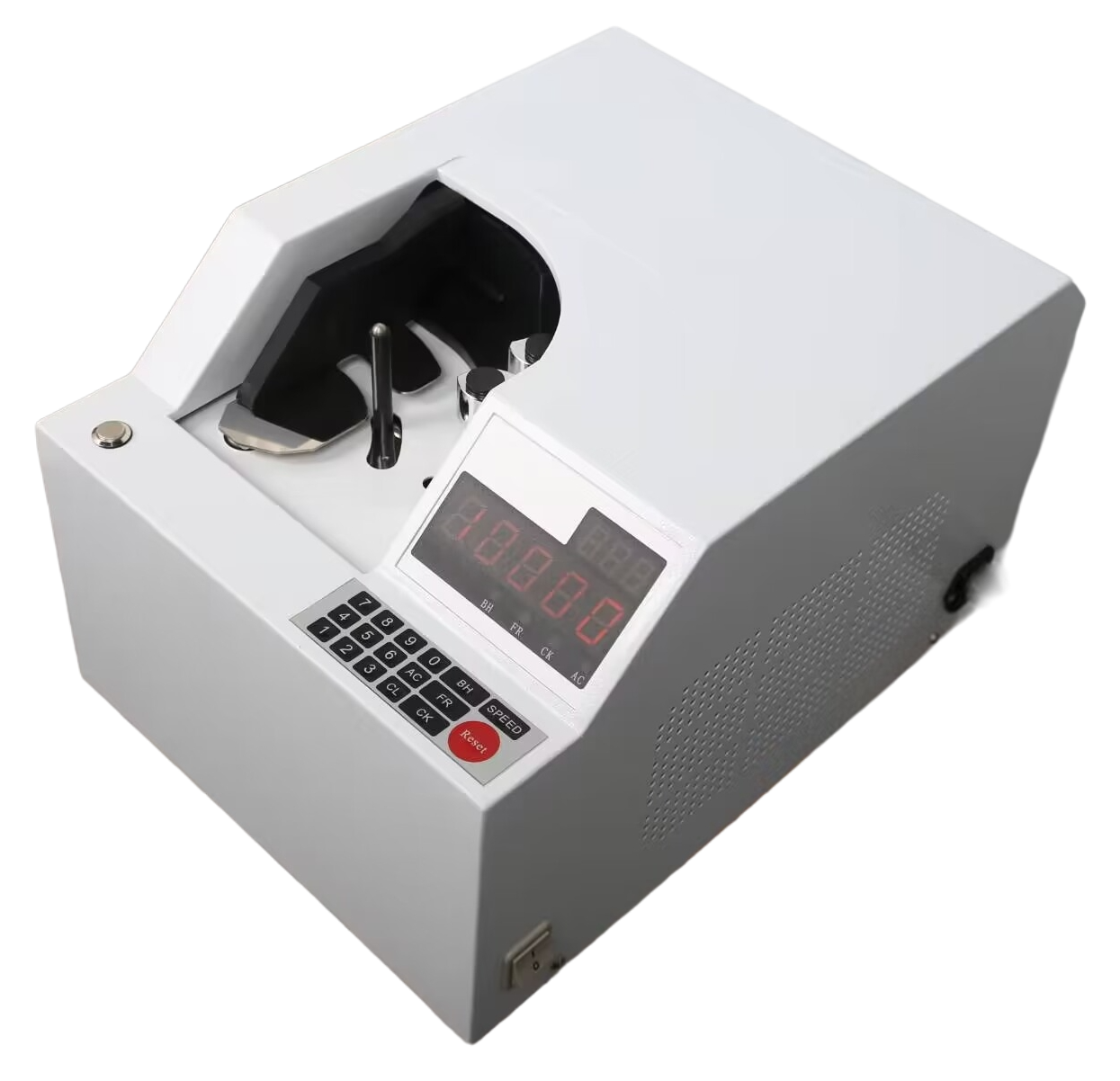 Vacuum Banknote Packing Machine Buying Guide
