A cashier accepts a counterfeit $100 bill, a cash office records the wrong denomination mix, or a deposit bag leaves the store short. Each incident may appear small in isolation. Across a multi-site retail, exchange, gaming, or financial operation, those exceptions become direct loss, reconciliation delays, and difficult internal investigations. A fraud-fighting solution for brands handling cash must therefore do more than identify suspect notes. It must control how cash is verified, counted, documented, stored, and transferred.
For procurement and operations leaders, the objective is not simply to buy a counterfeit detector. The objective is to build a practical control point at every stage where cash changes hands. That requires the right combination of detection technology, machine configuration, workflow design, and service support.
Why Cash Fraud Requires More Than a Detector
Counterfeit notes remain a visible risk, but they are only one part of the exposure. Cash-intensive businesses also face short-counting, denomination substitution, duplicate processing, deposit discrepancies, and intentional manipulation during shifts or handoffs. Manual counting makes these issues harder to identify because the process depends heavily on individual judgment and may leave limited evidence when a discrepancy occurs.
A machine can reduce this dependency, but only when it matches the operating environment. A small retail counter may need fast authentication and basic denomination counting. A bank branch, currency exchange, or armored cash operation may require fitness sorting, serial-number recognition, suspect-note capture, multi-currency programming, and detailed count reports.
The right level of control depends on cash volume, transaction speed, currencies handled, and the cost of an unresolved discrepancy. Buying a higher-specification machine than the workflow requires can add unnecessary cost. Buying a basic counter for a complex cash office can shift the fraud risk back to manual checking.
Core Elements of a Fraud Fighting Solution for Brands
An effective fraud-control program connects equipment functions with accountable procedures. The machine is the verification engine, while the workflow determines whether its information is used consistently.
Multi-Sensor Banknote Authentication
A professional counterfeit detector or banknote sorter should inspect more than one security feature. Depending on the machine and currency configuration, detection may include ultraviolet, magnetic, infrared, image, thickness, and security-thread analysis. Combining sensor inputs is more dependable than relying on a single visible feature or a manual UV lamp check.
Image-based processing is especially valuable for operations handling mixed banknotes at speed. It supports denomination recognition, orientation detection, fitness evaluation, and comparison against known note characteristics. For brands operating across regions, the detection system must be configured for the actual local currencies in circulation, not simply marketed as a generic multi-currency function.
This distinction matters in markets where note series, printing variations, and circulation conditions differ significantly. A detection solution designed around US dollars alone may not provide the required performance for CFA francs, Argentine pesos, or other regional notes. Procurement teams should confirm exactly which currencies and note versions are supported before placing an order.
Mixed-Denomination Counting and Sorting
Counting notes by hand creates opportunities for simple but costly errors. A mixed-denomination value counter identifies denominations and calculates the total value of a stack without pre-sorting. This improves speed at the point of acceptance and reduces the chance that a lower-value note is recorded as a higher denomination.
For larger cash centers, a banknote sorter adds another layer of control. It can separate notes by denomination, face, orientation, fitness, and authenticity. Reject pockets isolate suspect or unreadable notes so operators can review exceptions without stopping the main count. That feature is operationally important: a fraud-control process that creates constant interruptions will eventually be bypassed under pressure.
Traceable Exceptions and Audit Evidence
Detection is most useful when exceptions are visible and reviewable. If a machine rejects a note, the organization should know which operator processed it, when it occurred, what transaction or batch it belonged to, and how the note was resolved.
Serial-number recognition can strengthen this control for higher-risk environments. Recording serial numbers may support investigations, reduce repeated attempts to pass the same suspect note, and provide useful documentation for internal audit procedures. It is not necessary for every retail lane, but it can be highly relevant for currency exchanges, casinos, financial institutions, and centralized cash-processing operations.
A practical workflow also separates suspect notes from confirmed counterfeits. A note may be rejected because it is damaged, folded, heavily soiled, or incorrectly fed. Treating every reject as counterfeit can create unnecessary customer disputes and slow operations. The equipment should help staff distinguish a processing exception from a verified authenticity concern.
Secure Cash Preparation and Handoffs
Fraud risk does not end once notes have been counted. Cash remains exposed during till balancing, storage, deposit preparation, and transport. Note strapping machines, vacuum packing equipment, packet-note counters, and POS safes can support a more controlled chain of custody.
For example, a verified bundle prepared to a defined note count and secured for handoff is easier to reconcile than loose cash counted several times by different employees. Packet-note counting equipment can verify standard bundles before they move to a vault, armored carrier, or bank deposit process. The value is not only labor reduction. It is the ability to identify where a discrepancy entered the process.
Match the Equipment to the Risk Point
A well-designed solution starts with an honest review of where cash is accepted and where losses occur. The following equipment categories address different control points:
- Counterfeit detectors provide targeted authentication at low to moderate cash volumes.
- Mixed-denomination value counters speed up teller, retail back-office, and exchange-counter verification.
- Banknote sorters support high-volume authentication, denomination sorting, fitness sorting, and suspect-note separation.
- POS safes and cash-storage systems improve accountability after the cash drawer is balanced.
- Note strapping, packet counting, and vacuum packing equipment improve consistency during deposit preparation and transfer.
These categories work best as a connected process. A high-speed sorter in the central cash office cannot prevent a cashier from accepting a questionable note if the front-end location has no verification tool. Conversely, installing detectors at every checkout does not solve discrepancies caused by weak back-office counting and deposit controls.
Questions Procurement Teams Should Ask Suppliers
Machine specifications should be evaluated against actual operating conditions, not catalog terminology alone. Ask whether the machine supports your current note series and whether updates are available as currencies change. Confirm the detection technologies used, the number and purpose of reject pockets, hopper capacity, counting speed, report functions, and the method for upgrading currency software.
It is also wise to discuss serviceability. Dust, paper fibers, adhesive residue, and worn transport parts can affect sensor performance over time. Machines intended for continuous cash processing should be designed for accessible cleaning and routine maintenance. A lower initial purchase price can become expensive if the equipment has frequent jams, unclear error codes, or limited technical support.
For importers and distributors, supplier capability extends beyond the machine itself. A dependable manufacturing partner should provide clear English technical communication, inspection procedures, customization options, packing suitable for export, and documentation that supports the destination market. BCASH applies an engineering-led approach to currency detection and cash-handling equipment, helping overseas buyers source equipment configured for their operational requirements.
Build Procedures Around the Equipment
Even advanced hardware cannot compensate for unclear responsibilities. Staff need a defined response when a note is rejected, when a drawer is short, or when a deposit total does not match the expected amount. The procedure should identify who can override an exception, where suspect notes are stored, and how records are retained.
Training should focus on the actual machine interface and the reasons behind the controls. Operators are more likely to follow a rejection procedure when they understand that a reject may protect both the business and the employee from an unexplained shortage. Supervisors should also review reject rates and recurring error patterns. A rising number of suspect notes, unreadable notes, or count discrepancies at one location can reveal a training need, a maintenance issue, or a more serious control failure.
A useful fraud fighting solution is not defined by the most features on a specification sheet. It is defined by whether the equipment creates faster verification, clearer accountability, and fewer unresolved cash exceptions at the points where your organization is most exposed.

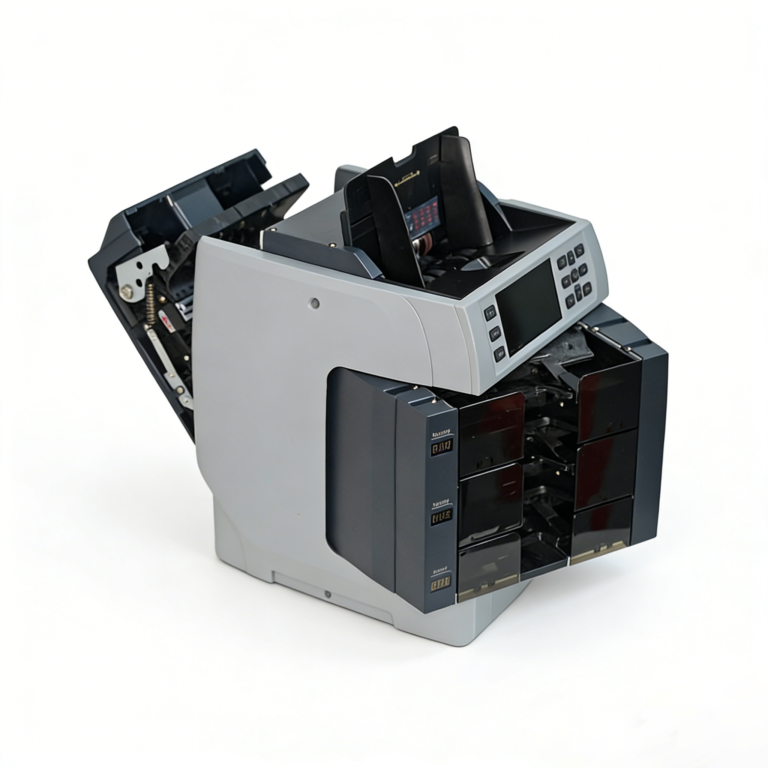 Complete Cash Anti-Fraud System: Banknote Verification, Counting & Audit Control for Cash Businesses
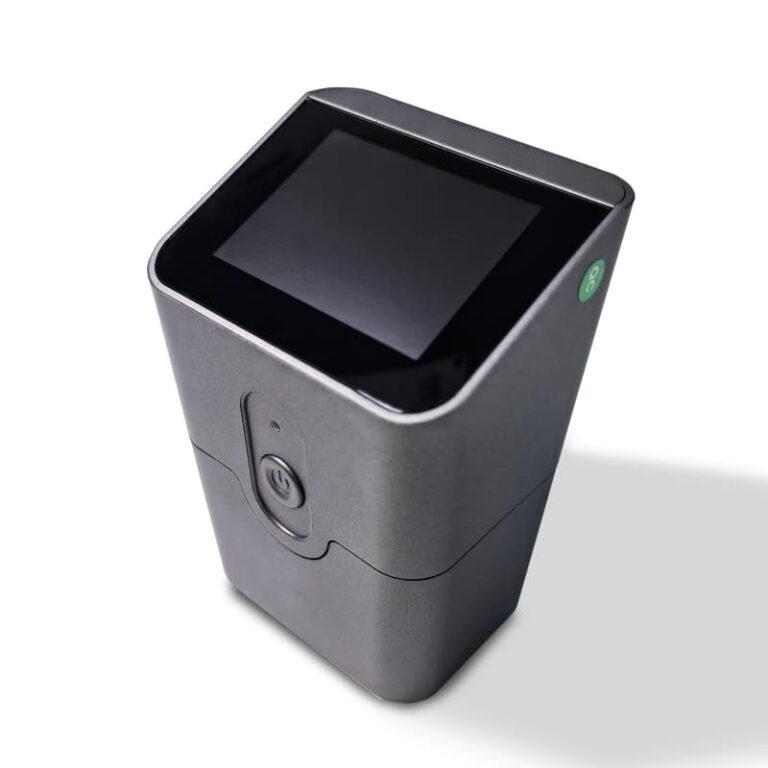 What Is Anti-Stokes Banknote Counterfeit Detection? Multi-Sensor Cash Verification Explained
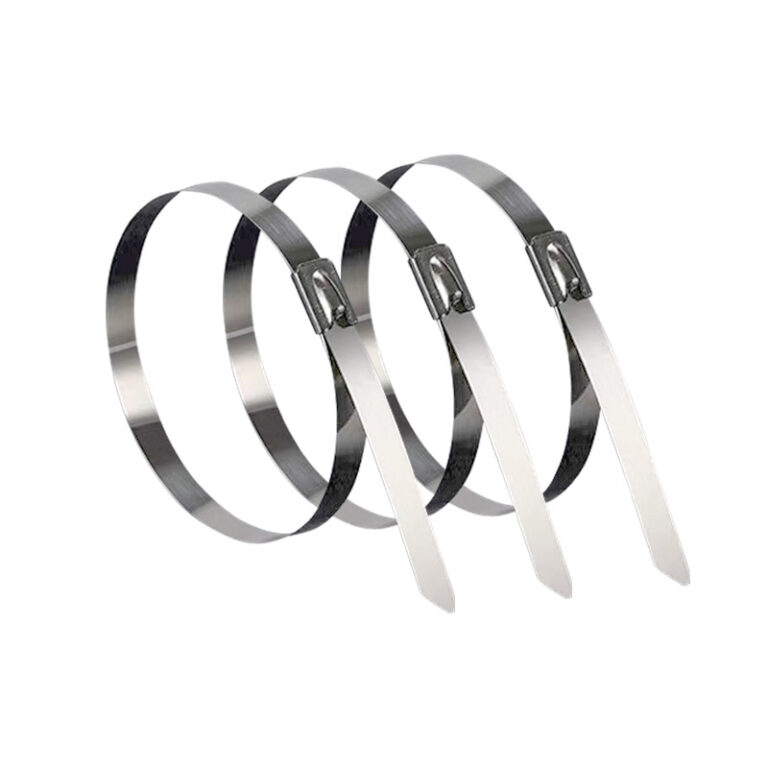 How to Specify a Metal Security Seal for Cash
 Choosing a China Check Reader Manufacturer
 Portable Card Counter for High-Volume Operations
